|
|
|
This is our last regular weekly newsletter of a very busy year. We are very grateful for all we have been able to achieve in 2024. Civil Eats was awarded and named a finalist for more than a dozen awards and accolades, we brought on several new team members, welcomed new board members, removed our paywall after nine years, spent a year with a Solutions Journalism Network cohort to develop our new Crash Course about climate solutions, and launched two in-depth, multi-part reporting series—one on the budding kelp industry, the other (in partnership with Eater) on how restaurants are dealing with climate change.
Today, we share the last story in our year-long, four-part investigation, Chemical Capture: The Power and Impact of the Pesticide Industry. Senior Staff Reporter and Contributing Editor Lisa Held spent a year examining whether consolidated corporate power may be contributing to the ubiquitous use of pesticides and other chemicals, and whether the influence that chemical companies wield in the halls of power makes it difficult to sort facts from marketing or engage in rigorous cost-benefit analyses.
Here are Held’s takeaways from her critical reporting: |
|
I’ve long tried to expand and deepen how I cover pesticide use by looking beyond residue on fruits and vegetables to the chemicals’ impacts on farmers, farmworkers, and ecosystems.
Our series, Chemical Capture, takes that mission one step further. I wanted to help eaters understand how the industry works to keep pesticides in use—no matter what.
As my reporting on Bayer shows, when a company is sued over claims that its herbicides have given people cancer, it can try to change the law to make the lawsuits go away. Two days after Civil Eats reported on this matter, a group of senators signed a letter addressed to Senate leaders opposing “all efforts to preempt state and local authority to regulate pesticides.”
My story about carbon markets detailed how companies use positive-sounding claims—like climate initiatives—to lock in pesticide use. My deep dive into neonicotinoid seed treatments revealed how farmers are trapped into using seeds coated with bee-killing insecticides, even when it’s unnecessary. And my final story in the series tracks how companies are trying to thwart state efforts to regulate the use of pesticides that may contain “forever chemicals” linked to a long list of health risks.
I worried farmers wouldn’t talk to me about these issues, but many did, despite potential blowback within their communities. It’s one reason industry influence is so insidious: While farmers and workers bear the brunt of pesticide impacts, norms dictate that speaking up about harm is anti-agriculture.
Farmers I spoke to for the neonicotinoid story were fearful they’d upset family members and neighbors, but felt the importance of the issue warranted speaking up.
These aren’t typical “food stories.” But every bite we take starts with a seed planted in soil, and everything that happens after that qualifies too, as each ingredient makes its way toward our plates. |
|
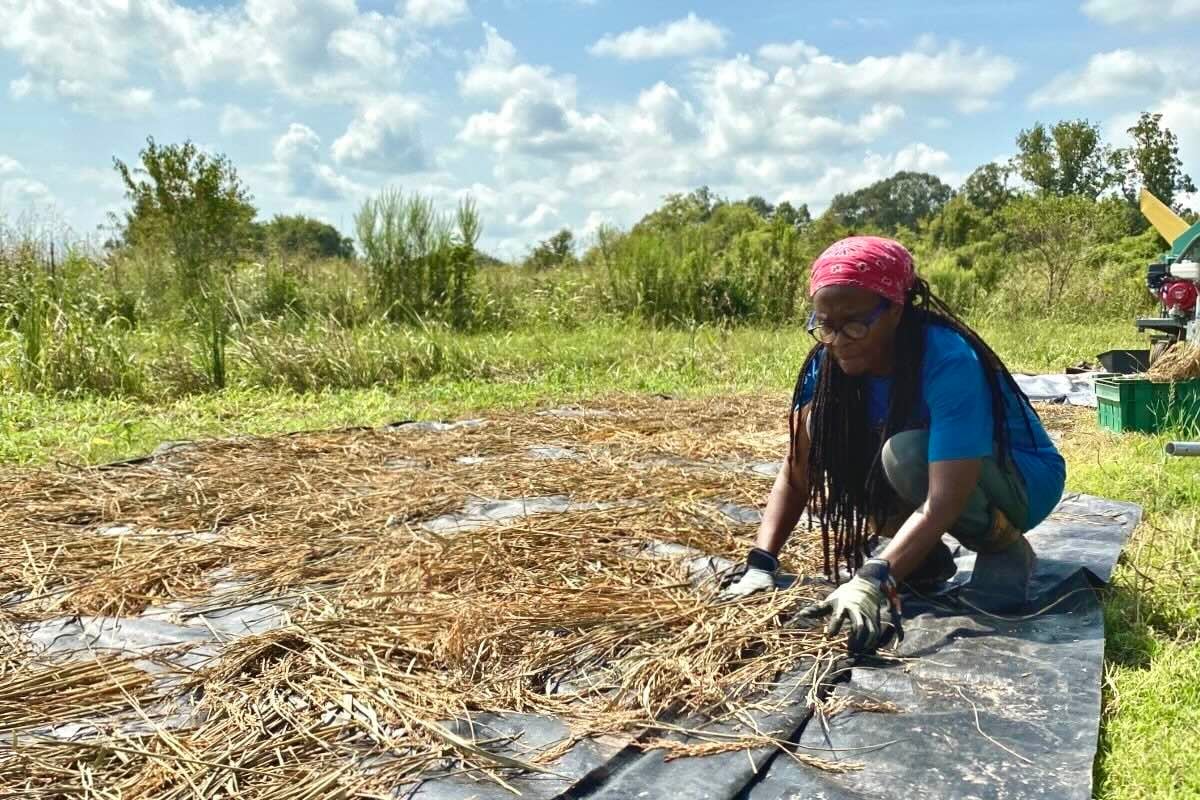
As we end this year, we also launch our latest series, Planting the Seeds of Justice, which will continue into 2025. In this series, we deepen our long-standing environmental justice reporting by focusing on the connections between climate, health, soil health, and equity for farmers of color. We investigate new and viable solutions for farmers, producers, scientists, and advocates as they seek to right historical wrongs from the ground up.
The stories in the series address the long history of racial injustice and its link to the land, destroyed or denied as a source of food, economic security, and rooted identity. Black, Indigenous, and other farmers of color often bear the brunt of climate disasters, too. Our stories describe these deep, systemic challenges. But they are also stories of success. The people we report on honor their ancestors’ wisdom and rely on collective, practical strength to figure out solutions. Their innovations are resources to explore and follow. |
|
|
|
If you appreciate all of the work done by our team, and all that we intend to undertake in 2025, we are kindly asking for your support. From November 1 through December 31, your donation of up to $1,000 will be doubled by NewsMatch partners. |
|
Donations of $60 or more provide you with access to Civil Eats’ annual membership benefits, which include our members-only newsletter, The Deep Dish; our Slack channel; and our live, community-building salons. If you’ve been thinking about becoming a member of Civil Eats, this is the best time to do it. Donations of $100 or more also will include a sustainably sourced, limited-edition Civil Eats tote bag. |
|
If you’re already a member, thank you! You can still participate in our NewsMatch campaign by making a donation. Every dollar of your support will be matched. If you believe in the work we’re doing, please consider giving today to double the impact of your donation. If you feel inclined, please share this newsletter with someone you know who will appreciate Civil Eats. |
|
From all of us at Civil Eats, thank you for supporting our independent newsroom. |
| Become a Member for $6/mo. |
|
~ The Civil Eats Team |
|
P.S. The Civil Eats offices will be closed Monday, December 23, 2024 until Monday, January 6, 2025 for a much-needed winter break. We will send one more newsletter on Monday, December 30, highlighting all of our best reporting this year, so please stay tuned for that. |
|
|
|
|
|
|
|
|
|
|
|
|
|
|