View this email in your browser
|

|
The Deep DishAn insider look at food and farming from Civil Eats Issue 37, November 2025: A First Look at Our Winter Holiday Books Guide
|
|
|
|
|
The Editors’ Desk |
Welcome to our final Deep Dish of the year, in which we bring you our favorite food and farming books of the season—both for gift-giving and for enjoying yourselves. We selected a stimulating and eclectic mix of cookbooks that dig deep into culture and history, sociology, science, and much more.
We also want to thank you for your support during one of the most turbulent and transformative years of our lifetimes. As you know, we’ve dedicated ourselves to capturing the key moments in food and ag news while unearthing underreported stories. We launched the Food Policy Tracker, along with a Crash Course on civics and the food system, and we have nearly quadrupled our output since last year. Your support has made that
possible, helping fund everything we do.
Meanwhile, we’ve thoroughly enjoyed connecting with you in person at Civil Eats meetups around the country, virtually at our online salons and book clubs, at conferences throughout the year, and in our Slack channel. Your insights have sparked story ideas and guided how we expand our community.
As the holiday season approaches, we are grateful for you, our Civil Eats members. Thank you for being an important part of our work.
|
~ The Civil Eats Editors
|
|
|
|
Member Updates |
A Look Back at 2025
|
This year we’ve hosted a vibrant mix of events that have brought our food-systems community together.
Early in the year, we launched our very first virtual book club with a lively discussion of The Crop Cycle: Stories with Deep Roots. Author Shane Mitchell joined us for the final session. This fall, several more virtual clubs featured titles from our Summer 2025 Food and Farming Book Guide. These included The Wisdom of the Hive: What Honeybees Can Teach Us about Collective Wellbeing by Michelle Cassandra Johnson and Amy Burtaine; Change the Recipe: Because You Can’t Build a Better World Without Breaking Some Eggs by José Andrés and Richard Wolffe; The Salt Stones: Seasons of a Shepherd’s Life by Helen Whybrow; and Ginseng Roots: A Memoir by Craig Thompson.
We also hosted virtual salons that brought together food-system experts and members of our team to explore particularly relevant topics. In March, we gathered for a thought-provoking talk on How to Create and Sustain Food Mutual Aid, looking at how communities support one another through care and collaboration, especially in difficult times. And in June, we hosted a salon titled Inside the Food Policy Tracker, sharing a
behind-the-scenes look about the Food Policy Tracker.
Our in-person and virtual meetups gave us another way to connect with you. We met in person with members and readers in Berkeley, California; Tempe, Arizona; and Portland, Oregon, learning about your local food systems and what works and doesn’t work. On our virtual meetup calls, we’ve heard your concerns about food justice and equity, climate and the food system, and food policy and advocacy. We’ll continue hosting these meetups in 2026, so stay tuned for announcements.
We’ve also enjoyed featuring some incredible members in this Deep Dish newsletter, hearing their unique stories and learning about the work they’re doing to improve the food system. If you’d like to be featured in a future issue, we’d love to hear from you!
|
Have You Explored the Member Hub Yet?
We’ve compiled all Civil Eats member resources in one place. If you’re looking for past issues of our Deep Dish newsletters, Salon recordings, our book clubs and more, log in and visit our Member Hub. We update this page regularly, so check back often for new additions.
|
Stay Connected in our Slack Community
The Civil Eats Member Slack Community is a virtual space for food-system changemakers, policymakers, and practitioners to exchange knowledge and get to know one another. Our team also shares updates on their work inside and outside our virtual newsroom and members are first to know what’s happening at Civil Eats.
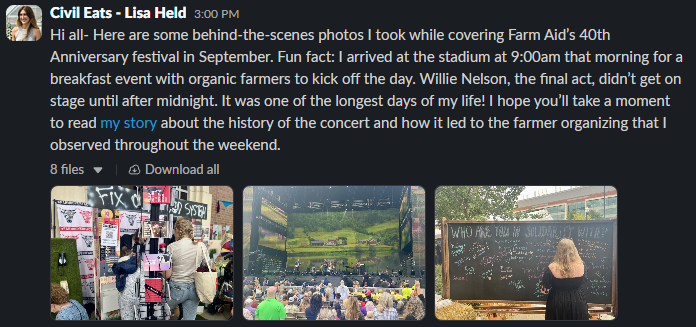
Senior Staff Reporter and Contributing Editor Lisa Held recently shared a behind-the-scenes take of her coverage of Farm Aid’s 40th Anniversary festival in September:
|
 |
Join the Slack community to check out posts from other members of our team, hear behind-the-scenes coverage, share resources, and chat with other Civil Eats members! The channels include:
|
#book-club – upcoming book club titles, continuing conversations, and resources related to past clubs
#events-conferences – food-system-related events, meetings, and conferences
#food-policy-tracker – instant updates when we post new reporting in our Food Policy Tracker
#lunch-break – inspiring recipes, books, and restaurants
#salon – conversations and resource-sharing following every Civil Eats Salon
#the-edit-room – conversations about Civil Eats’ reporting
#what-is-new – Civil Eats updates and announcements
#what-we-are-reading – content our Civil Eats team finds particularly useful
|
To join, please review these Community Rules and Agreements and accept this invitation link, which is good through December 2. (Here are the instructions if you’re using it for the first time.)
|
(return to top)
|
|
|
|
|
|
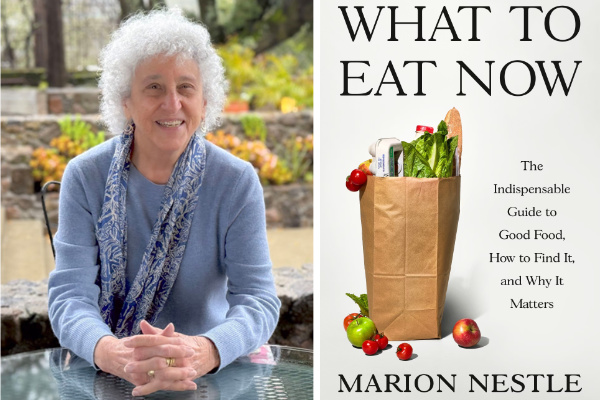 |
(Marion Nestle photo credit: Peter Menzel)
|
The Check-In: How to Think About What to Eat in 2025, According to Marion Nestle |
BY LISA HELD
|
Despite the title, Marion Nestle’s new book is not about what to eat.
“It’s a book about how to think about what to eat,” she said recently from her home in New York City, where she was recovering from a lingering cold after several busy weeks of travel.
At 89, Nestle is busier than ever. Her “retirement” from New York University’s food studies department—where she spearheaded a new approach to nutrition and public health centered on systems thinking—involves research, writing, and talking to the press daily.
And given what’s going on in food—the Make America Healthy Again (MAHA) movement aligning nutritious food and health with right-wing politics, roiling debates around the Dietary Guidelines, and food corporations expanding their influence, including through product marketing—everyone wants to know what she’s got to say.
In What to Eat Now: The Indispensable Guide to Good Food, How to Find It, and Why It Matters, Nestle doesn’t hold back. She updates her 2006 bestseller What to Eat, revisiting the basics of good nutrition while mixing in observations about food products that now fill shelves, considering everything you can imagine about how they impact people and the environment.
|
“Much of this book is devoted to explaining how to navigate a food environment aimed at profit rather than health and sustainability.”
|
|
|
Chapters on dairy include the overproduction of milk and the fate of small dairy farms, chocolate milk in school meals, whether raw milk is safe, and sugary yogurts. Chapters on fish cover omega-3 fatty acids but also the abuse of marine observers on fishing vessels. There are also chapters on infant formula, pet food, and cannabis edibles. Nearly 200 pages of references finish it off.
Despite its breadth and depth, the core of the book can be boiled down to what Nestle does best: “Much of this book is devoted to explaining how to navigate a food environment aimed at profit rather than health and sustainability,” she writes.
Civil Eats spoke to Nestle (who is also a member of Civil Eats’ advisory board) about What to Eat Now, what’s changed over the last 20 years, and why she hopes MAHA moms will read the book.
This book is hefty. How long was your process, from start to finish?
I predicted it would be six months. It was a four-year project—three years of writing and a year of production. I couldn’t believe how much had changed. As I started to do the research, I realized this was going to be a really big job, and then the publisher wanted a fair amount of reorganization. They had said that they wanted at least a 40 percent change. I think it’s a 90 percent change. I felt like I rewrote the entire thing. The story that I’m fond of telling is that there wasn’t a single product that I used as an example in the 2006 edition that’s still on the market.
|
“In 2006, the only plant-based milk on the market was soy milk. Plant-based meats didn’t exist. The concept of ultra-processed foods had not been introduced or defined. That’s a big deal.”
|
|
Some of them are tragedies, like Haagen-Dazs frozen yogurt, which is a product I really like. They’re not making it anymore. I asked the people at Unilever, “Why did you stop making that?” And they said, “You were the only one who bought it.”
There were a lot of changes. In 2006, the only plant-based milk on the market was soy milk. That’s a big change. Plant-based meats didn’t exist. The concept of ultra-processed foods had not been introduced or defined. That’s a big deal. When I wrote the old edition, there were entire aisles devoted to Coke and Pepsi. That’s not true anymore. Now, it’s bottled waters of one kind or another that have really taken over.
Do you see that shift away from soda toward bottled and flavored waters as positive?
That one is. Although, I start with the water section, because I’m a big proponent of tap water. And I really worry a lot about bottled water, not only from the price standpoint, which I make very clear is totally ridiculous. I worry about the idea that if you don’t have a population that’s fighting for clean tap water, then people don’t have clean tap water.
There’s a common understanding that bottled water is in some way better or safer than tap water, but you write that tap water is actually better regulated.
Yes, I read that there’s an annual report for every town’s water supply, and you can look them up. They’re very interesting. The one in Ithaca [New York] said, “If you want to visit, come visit,” so I did, and it was terrific. The people who run these things spend a lot of time and energy trying to figure out how to keep this stuff clean and worry a lot about what’s in it and what’s not in it.
|
“I worry a lot about bottled water . . . if you don’t have a population that’s fighting for clean tap water, then people don’t have clean tap water.”
|
New York City, of course, is famous for its tap water. Buying bottled water in New York City is silly. But the bottled water people have gone to a lot of trouble to sow distrust in tap water.
There are many examples like this in the book where the reader goes along with you while you do your research. It’s mostly you going into supermarkets and scanning the aisles. What does your actual process in stores look like?
It’s notes and photographs, but mostly notes. I’m standing there reading labels.
Twenty years ago when I did the previous edition, store managers would come over and say, “What are you doing?” Now, nobody is doing that anymore because of the other enormous change: online shopping. Supermarkets are filled with shoppers filling orders. There are all these people all over the place with notebooks and phones open, collecting products for people who are buying this stuff online.
I did a lot of the research in Ithaca supermarkets. One of them is Wegman’s, which completely reorganized its store. That was a big shock. I thought, “Why would you do something like that? You can’t find anything in it anymore.” They did that because they had to make space for stored bags for people who were going to come pick them up. An increasing percentage of supermarket sales are accounted for by online orders.
|
|
You say another big change has been consolidation in the grocery industry. How does that show up at the grocery store for shoppers?
Have you noticed prices lately? You want to know why the prices of groceries are up so far, it’s because they can get away with it. Somewhere between 25-30 percent of grocery store sales are accounted for by Walmart.
You also talk about a new concept in nutrition—something you call “triple-duty diets.” Can you explain what a triple-duty diet is?
That came out of the first EAT-Lancet Report [in 2019]. These are diets that are healthy for people and the planet and take care of undernutrition and overnutrition at the same time. Since the same diet does all three of those things at once, I think it’s a terrific concept, and I’m sorry it hasn’t caught on.
Throughout the book, it seems like you’re assuming that people who are figuring out what to eat are not only thinking about their health, but also the environment. Do you think that’s true?
It’s true of people who are buying my book. If they’re going to read this book, they’re probably in that category. I don’t know who else is going to read it.
|
“[Triple-duty diets] are healthy for people and the planet and take care of undernutrition and overnutrition at the same time.”
|
|
The book is so comprehensive. It covers water, cannabis edibles, toxins and fish, farmworkers. Why are you providing that kind of breadth, and how do you see a reader using the book?
My joke is that Michael Pollan can do the whole dietary thing in seven words: Eat food, not too much, mostly plants. It took me 700 pages. I’m sorry!
And you know, if you want to stick with “eat food, not too much, mostly plants,” that’s okay with me, because I really think that covers it, with a few caveats about what “food” means and what he means by “mostly.” But people are so confused about what it is they’re supposed to eat, and things change all the time. I’m trying to give one person’s unified thinking about everything there is to think about, and to me it all makes perfect sense.
There’s a lot to know . . . and there it all is in one place, with chapters on everything I could think of that somebody would want to know if they went into a supermarket. I certainly don’t expect people to read it like it’s the great western novel. You can choose. It’s got a great index. You can look stuff up. It’s an encyclopedia.
We’ve talked a lot about how things have changed since the first edition. What has stayed the same?
Well, meat, dairy . . . real food hasn’t changed. The center aisles still have the junk food, only it’s now singled out as ultra-processed for a specific category of it. The industry is still about selling as much food to as many people as often as possible, at as high a price as possible. That’s still the goal.
|
|
|
The book is coming out at a moment when you’ve become a frequent commenter on MAHA. How do you see this book fitting into the current cultural and political conversation around how to eat well?
Unfortunately, it was written before any of this happened. [When] I turned the manuscript in, Trump had been elected, so there are references to some of what’s happening, but only in the sense that “We don’t really know what they’re going to do with this yet.” At that particular moment, that’s all I could say.
There’s nothing about color additives in this book, but that’s because it’s not a major issue and never has been. They’re not a major dietary hazard. Obesity is a major dietary hazard. That has not changed.
But is [the book] already out of date? I hope not.
I’m more wondering if you think the current political context will change how people respond to the book or who reads it?
Well, I would hope the MAHA moms would read it, because I’m very science-based. Even if I’m not talking about the science directly, it’s there in the background all the time. If you want to know what makes sense, this isn’t a bad place to look. The chapters are short, the sections are short, everything’s labeled. I worked really hard to make it easy to read.
The other thing is it’s very personal. I like books like that. I like books that are written by one person and have one voice. And anybody who is familiar with my work can predict what I think about anything. People can disagree, but at least they know what they’re disagreeing with. I wish the MAHA moms would read it, because so much of what they’re doing I support wholeheartedly. I just wish they would pick more important issues.
This interview has been edited for length and clarity.
|
(Return to top)
|
|
|
|
|
Book Recommendations from the Civil Eats Team
|
|
BY ALICE WATERS
|
|
|
|
Nearly 20 years ago, Alice Waters, the visionary owner of Chez Panisse restaurant in Berkeley, California, wrote about her life’s other passion project. Edible Schoolyard: A Universal Idea grew out of her work at a local middle school, and made a fervent case for integrating gardening and cooking into school curricula, to
awaken students not only to their lessons but also the natural world.
|
|
|
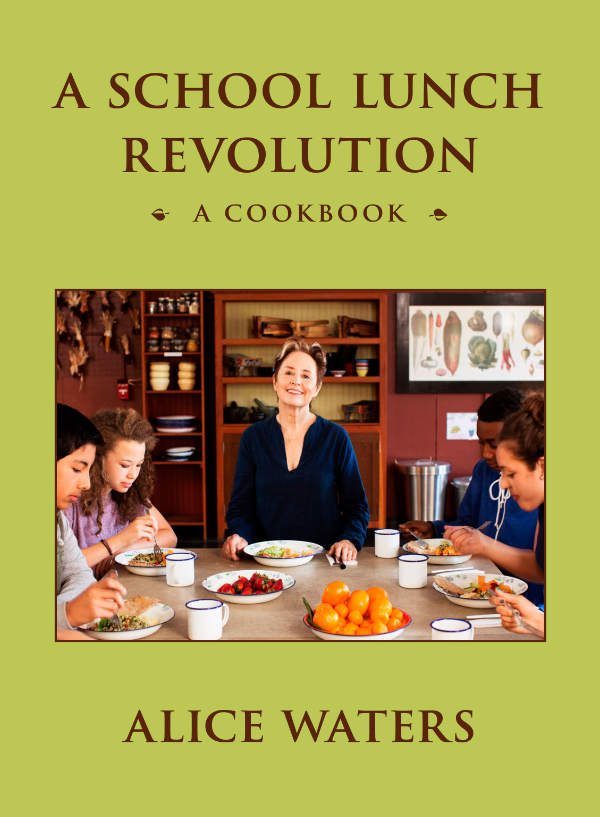
Now Waters (who is also a member of the Civil Eats advisory board) has published a companion cookbook, A School Lunch Revolution, that proposes
another way to transform school food: school-supported regenerative agriculture. In the introduction, she envisions schools buying food directly from organic, regenerative farmers and then cooking it in school kitchens, to boost farm income, climate resilience, and children’s health, too. It’s welcome encouragement at a time when schools are being pushed to give up ultra-processed foods—and a challenge, given this year’s cancellation of a federal farm-to-school program.
The book’s simple, healthy recipes exemplify what school meals could be like if they were based on local, regenerative agriculture: affordable, culturally diverse, delicious of course, and beautiful—because, Waters points out, “beauty is a language of care” that nourishes children’s spirits. Kid-friendly recipes like whole-leaf salads meant for dipping into dressings, buttermilk pancakes, carrot and cucumber sushi, and chile-braised pork tacos all keep these principles in mind.
Although A School Lunch Revolution only briefly suggests how, exactly, this ambitious vision could be implemented at scale (possibly through food hubs), it isn’t meant to be a detailed guide. Waters’ great strength has always been to light the way.
—Margo True
|
|
|
|
|
|
|
|
BY LESLIE SOBLE, with ALEX BUSANSKY and AISHATU R. YUSUF
|
|
|
|
|
|
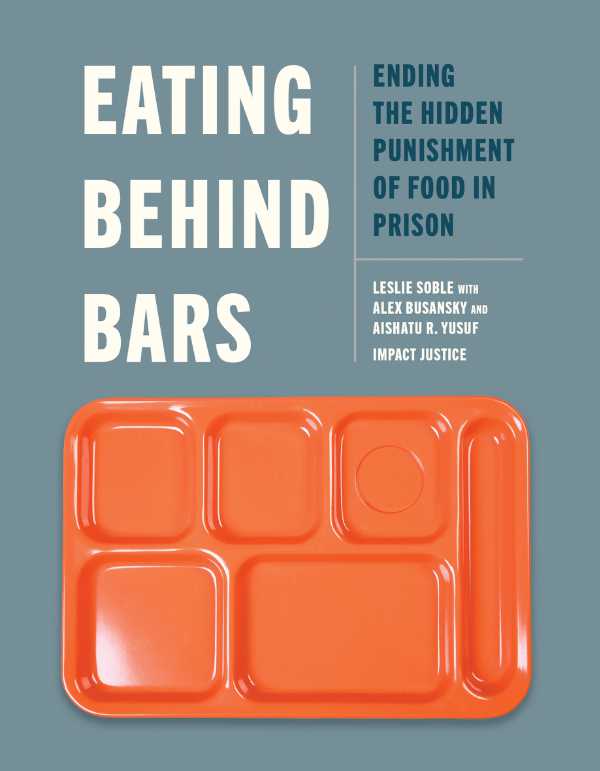
The first half of the book tracks the size and scope of the problem. There’s no easy way to convey the horrors of prison food, but examples like “maggots in the corn meal”
and “spoiled milk and rotten meat” served on a regular basis start to get at the heart of it. Here’s a different point of reference for anyone who’s been in a public-school cafeteria recently: In 2024, the public school district in San Diego, California, paid $3.91 per lunch, per student. California’s Department of Corrections and Rehabilitation, meanwhile, paid about $1.40 per meal to feed its incarcerated population.
In the second half, Eating Behind Bars focuses on solutions—such as adopting Scandinavian countries’ rehabilitation-focused model that lets incarcerated people cook meals for themselves using produce grown at the prison and foods purchased at on-site grocery stores. Closer to home, they explore on-the-ground implementation of reforms in Maine’s state prisons and California’s San Quentin.
Although many of the solutions are only barely starting to take place—or in some cases consist of fighting to overturn recent rollbacks—Eating Behind Bars chronicles a movement in the early stages of making important changes in people’s lives.
—Matthew Wheeland
|
|
|
|
|
|
|
|
BY JULIA BELLUZ and KEVIN HALL
|
|
|
|
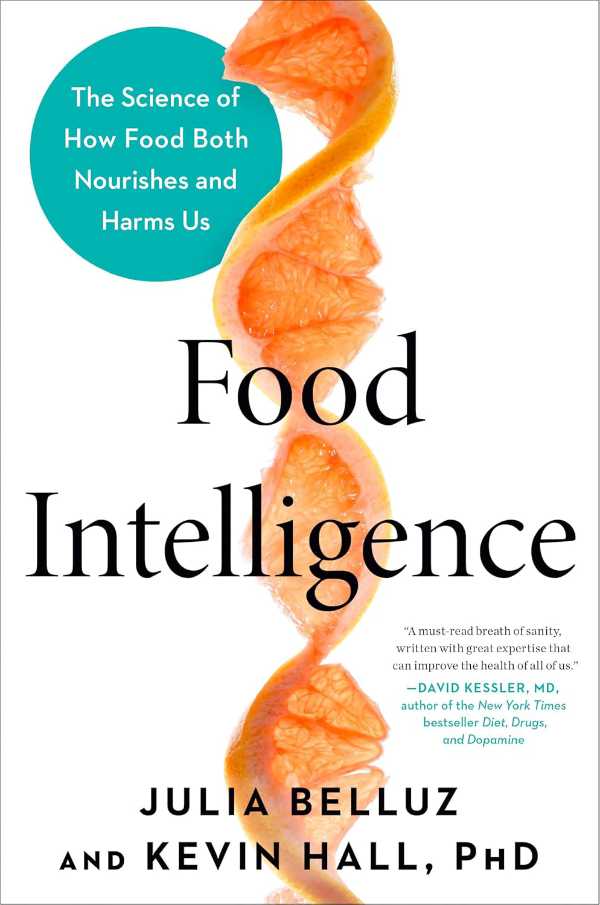
“Nutrition isn’t rocket science, it’s much more difficult, and it affects our everyday lives,” write journalist Julia Belluz and renowned researcher Kevin Hall in this timely exploration of what happens when the body’s biological systems confront a food environment dominated by ultra-processed foods (UPFs). In the book, Hall
describes his work on one of the most influential studies on UPFs to date—which showed people eat more and gain more weight eating UPFs—as well as his follow-up studies, in which he examines why, exactly, that occurs.
|
|
|
The book is not about politics, but it will help readers make sense of the current, complicated, politicized national conversation about food and health, with riveting explanations of what science can tell us about how metabolism works, genetics’ role in obesity, and how hormonal signals tell us to eat (or stop eating). Hall does not address resigning from the National Institutes of Health (NIH) this spring, which he did after saying he felt unable to “freely conduct unbiased science” under Secretary of Health and Human Services Robert F. Kennedy, Jr.
The authors turn to the Make America Healthy Again (MAHA) movement only in the very last pages. They give MAHA credit for galvanizing interest and political will around connecting food with health and on UPFs in particular. But, they write, policy change should be guided by scientific research, which needs more public support—“not merely compelling narratives.”
—Lisa Held
|
|
|
|
|
|
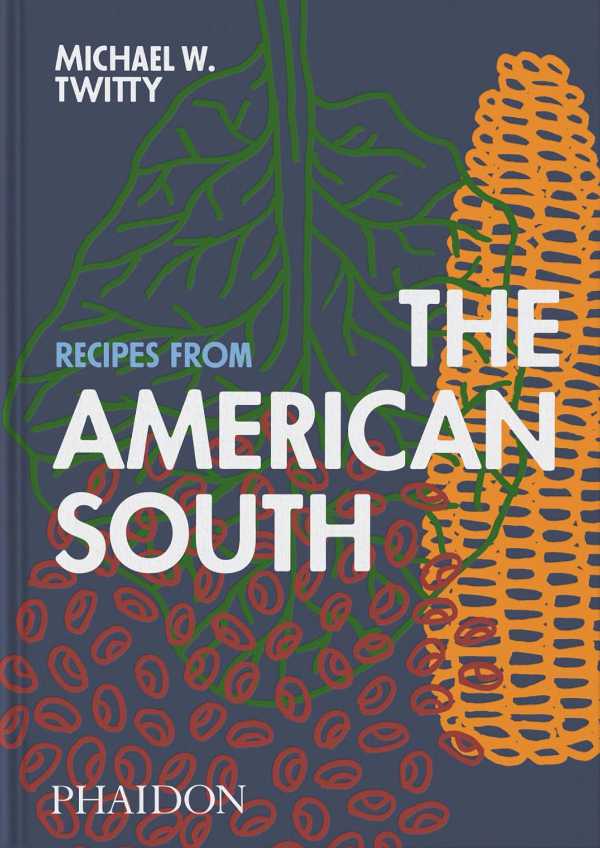
Culinary historian Michael Twitty’s new cookbook is a trove of knowledge focused on classic Southern dishes and culinary traditions, from cathead biscuits to Southern fried chicken to Hoppin’ John—and its lesser-known sibling, Limping Susan, made with okra. Twitty’s introduction describes the “multicultural gumbo” of the largest culinary region in the U.S., acknowledging the important contributions of women, Native people, enslaved Africans, and non-European immigrants.
|
|
|
“The politics of Southern food is omnipresent, baked in from the beginning,” he writes. “Southern food is soaked in Native removal, racial caste and social justice, gender
roles, ability issues, sexuality, and class.”
Full of simple, elegant photographs, the book is a joy to explore. The James Beard Award–winning author organizes it by menu categories, from “Breads, Biscuits & Breakfasts” to “Desserts, Pies & Sweets,” and tops each recipe with a short but succulent explanation of the dish’s place in history and culture. Twitty covers pan-Southern classics like chicken and dumplings and sweet potato pie as well as regional dishes like Gullah-Geechee pot roast and Maryland crab soup. (When it comes to barbecue sauce, he smartly pays homage to both sides of the eastern- and western-style rivalry in my home state of North Carolina.)
Certain recipes—for frog legs, turtle soup, and possum and sweet potatoes—probably won’t enter my regular repertoire, but I enjoyed learning each dish’s place in Southern cuisine (and Twitty offers substitutions to make them more accessible). Capturing the depth, breadth, and complexity of Southern food, this might be one of the most practical and delicious history books out there.
—Christina Cooke
|
|
|
|
|
|
|
|
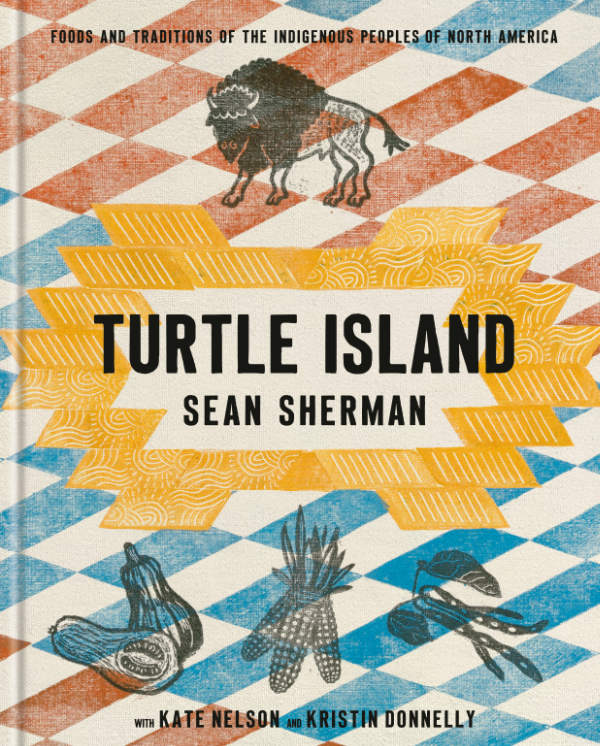
BY SEAN SHERMAN with KATE NELSON and KRISTIN DONNELLY
|
|
|
|
Growing up on the Pine Ridge Indian Reservation in South Dakota, Sean Sherman loved his family’s traditional meals but didn’t know much about the wider world of Indigenous food. Now a winner of multiple James Beard awards and founder of the celebrated Indigenous restaurant Owanmi, in Minneapolis, he’s traced his culinary awakening in Turtle Island, a triumph of a cookbook that explores Native cuisines, landscapes, and histories from Alaska to the Yucatan Peninsula.
|
|
|
Written with Kristin Donnelly and Civil Eats Contributor Kate Nelson, the book is named after the Indigenous term for North America. Each chapter covers a different region, diving
into the sophisticated, sustainable, and diverse foodways that colonizers nearly destroyed. It’s also a story of resilience and hope, describing an ancestral wisdom that encourages living in balance with the land.
Each chapter celebrates the Native flavors of a region, revitalized with modern techniques: smoked bison ribeye with a chimichurri of wild greens from the Great Plains; duck, wild rice, and cranberry sausage patties from the Great Lakes; lobster and corn salad in elderberry broth from the Eastern Woodlands; and more than 100 other recipes.
Although many ingredients must be foraged, grown, or hunted, Sherman offers alternatives for nearly all, and the stunning photographs make you want to rush to the kitchen and start cooking. Through food, this remarkable book foregrounds the vital presence of Native people in North America, to the benefit of everyone.
—Margo True
|
|
|
|
|
|
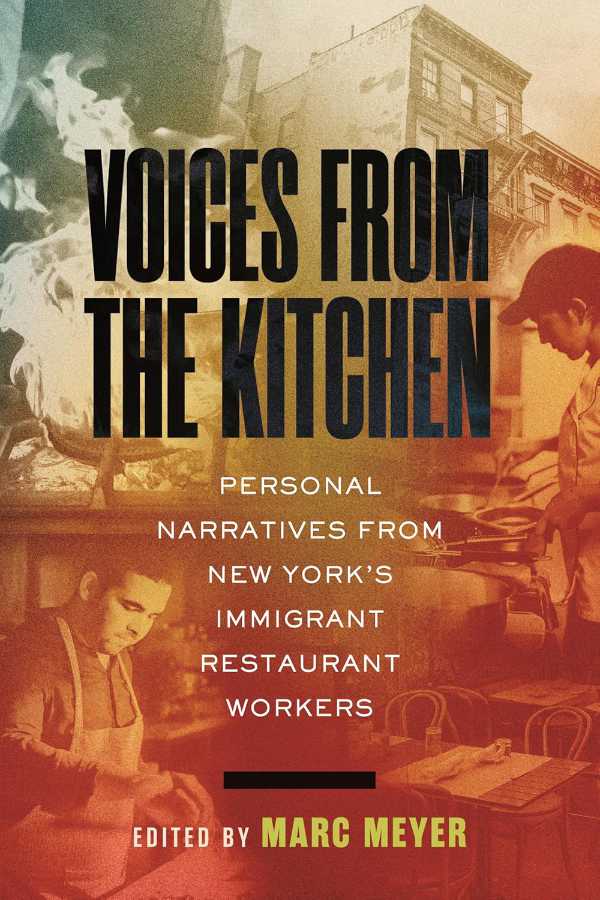
Amid all the rhetoric and spin of national politics and policy around food, the voices of real-life people can easily be lost. Voices from the Kitchen, a collection of oral histories from immigrant restaurant workers in New York City, offers a welcome redress.
In the tradition of Studs Terkel, Marc Meyer, a chef whose own life has been one of itinerant work in many food fields, has put together stories from people who have come here from around the world—Mexico, Bangladesh, Ecuador, Burkina Faso, and more.
|
|
|
In the process, he has assembled both a glimpse of present-day America and a robust description of the American experience over time.
As each person describes what it was like to come to America, they offer insight into foreign policy and immigration, along with their hopes and ambitions. Each story is deeply personal and moving. Vico, from Mexico, longs for his grandmother’s cooking. “You didn’t need to put anything on the tortilla, maybe a little salt,” he says. “The flavor was amazing.” In his restaurant work, he says, “I try to recreate that taste, that moment, that memory.”
Diana, from Colombia, leaves behind no-good men to make a better life for her daughters, and struggles to forgive her mother for past grievances. Along the way, she gains an insight we would all do well to remember: “I have been able to find great love for my mother, along with the realization that more is to be accomplished with love than with hate.”
In this collection, Meyer makes visible the lives of the people we too often take for granted and aims to “lift up these staff members who have lifted me up each day.” In that he has succeeded.
—Brian Calvert
|
|
|
|
|
|
|
|
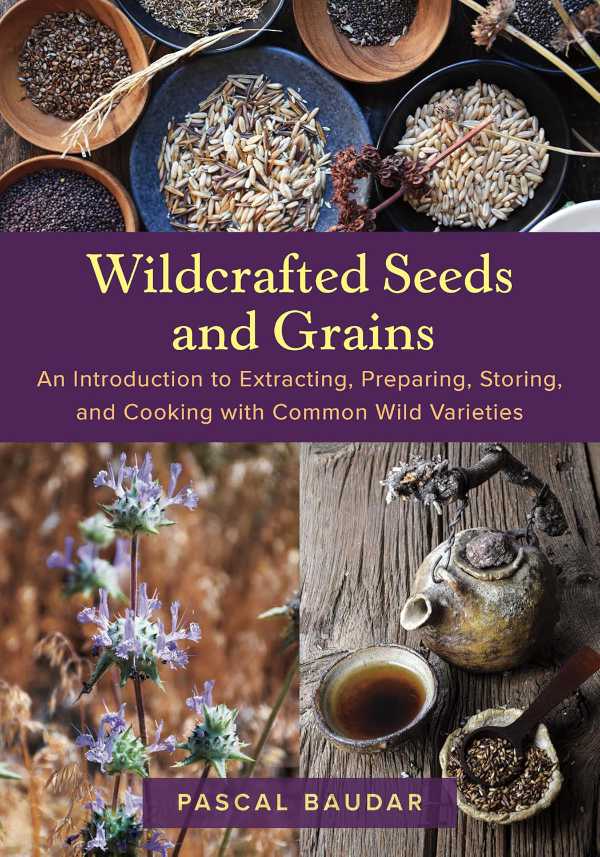
Forager Pascal Baudar would like to remind us that we are surrounded by food, no matter where we live. While it is common to forage for mushrooms, herbs, or fruit, you can also find as many as 120 edible wild seeds and grains in Southern California, if you know where to look.
In Wildcrafted Seeds and Grains, Baudar aims to fill a gap in knowledge that has been lost over generations after colonization cut off Indigenous peoples from traditional foodways, and as modern ag reduced the need for foraging.
|
|
|
Baudar explains the basics of how to harvest and process wild varieties of oats, barley, nettle, amaranth, milk thistle, mustard, and other seeds and grains, along with the
equipment you'll need, profiles of common varieties, recipes, and historic examples of how our ancestors used these foods. Who knew that foxtails—those annoying little spiky balls that always get caught in my dog's paws—are actually an edible grain, designed to be dispersed by attaching to passersby?
Besides helping you build a killer pantry, Baudar argues that foraging for wild seeds and grains provides a way to increase the diversity and nutrients in our diets, while also reconnecting us to the nature around us.
—Tilde Herrera
|
|
|
|
|
|
|
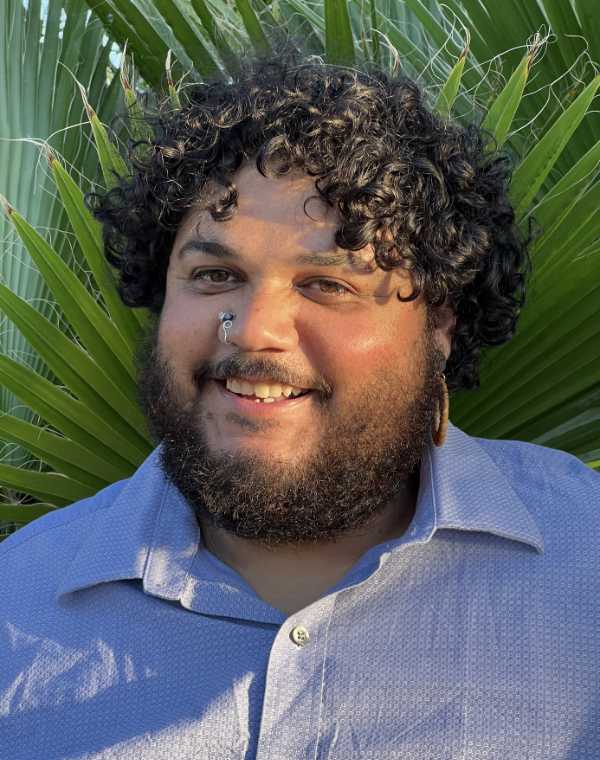
Member Profile: Daniel Chavez Tackles Food Insecurity |
BY JIM COLGAN
|
|
|
|
When Daniel Chavez was a child growing up in Saticoy, near Ventura on California’s Central Coast, he didn’t always know when he would eat next. With a single mom who struggled to get regular work as a nurse, Chavez sometimes would eat just once in a day. “I know what it’s like to go without food, so in my own way I'm finding opportunities so that I'm safe from that,” he says.
|
|
|
For that reason, Chavez looked for jobs in food. At 12, he worked at a local corner store; later, he worked as a server at a retirement home and at country-club banquets.
Today, Chavez is a co-founder and board member of the Saticoy Food Hub, which runs a farmer’s market in the town as well as a community fridge and offers classes on growing healthy food. He’s also a consultant for the Rodale Institute, the organic farming non-profit.
Chavez’ connection to Saticoy runs deep. His grandparents moved there in the 1960s from the Texas borderlands, and his grandfather worked at the lemon-packing factory. But that factory closed decades ago, along with a dairy farm and a meat-packing plant, and the once-resilient Saticoy food economy began to crumble.
After high school, Chavez left to study at the University of Northern Iowa. He dropped out a year later, but formed a lasting connection to the area. After completing his bachelor’s degree at San Francisco State, he found work as a manager at Bay Area restaurants.
“I [realized I] could keep going in this portion of the food system or I could try to find something that's a little more values-aligned and meaningful,” he says.
Chavez moved back to Iowa with his partner, Sierra Doehr. They worked at food banks and started their own in-home bakery, selling at a local farmers’ market in Waterloo. Two years later, they took that knowledge and experience back to Ventura County, opening the Saticoy Food Hub.
After months of navigating red tape and paying tens of thousands of dollars in county permitting fees, they opened the Hub’s farmers’ market last year with a focus on small-scale operations ranging in size from a tenth-of-an-acre backyard to a 10-acre farm.
While the farmer’s market is thriving, Chavez says, the organization is struggling to keep up with demand, especially at this time of increased need. The lines at the community fridge are longer than ever. “We've outpaced the capacity and are trying to increase the funding,” he says, “so we can [keep offering] what we know is an incredibly impactful project.”
|
|
|
|
|
|
In Case You Missed It |
Some of our recent books coverage
|
|
|
|
|
|
|
|
What We’re Reading
|
Lines at the Food Pantry, Billionaires at the White House
By Jess Bidgood, The New York Times
All Praise to the Lunch Ladies: Blessed Are the Women Who Watch Over America’s Children
Words by Jennifer Justus; photos by Houston Cofield, The Bitter Southerner
'Strega Nona' Is Still Reaching Audiences at 50 Years Old
By Alex Cipolle, NPR All Things Considered
An award-winning children's picture book, Strega Nona by Tomie dePaola, turns 50. The story about a grandma witch with her magically full pot of pasta still finds new audiences—even on TikTok.
The Fungi That Could Transform Agriculture
By Lucy Sheriff, Roads & Kingdoms
A once-dismissed discovery in Yellowstone’s geothermal soils is now helping farmers worldwide fight drought, boost yields, and reduce dependence on chemical fertilizers.
Pasta at Twice the Price? Some Italian Producers Face Huge U.S. Tariffs.
By Eshe Nelson, The New York Times
More than a dozen Italian pasta makers, accused of dumping their product in the United States, face tariffs of over 100 percent.
This Boy Fought His City to Keep His Bees
Video by Alice Li and Jonelle La Foucade, Washington Post
City Arts & Lectures: Bill McKibben in conversation with Lauren Markham
Acclaimed environmentalist Bill McKibben’s new book, Here Comes the Sun, looks at how solar power can offer a path out of the climate crisis, as well as chance to reorder the world on saner and more humane grounds.
Portfolio: The Trap Inside 26 Federal Plaza
By Andrew Rice and Paula Aceves; photos by Stephanie Keith, New York Magazine
A photo essay that documents what the Trump administration’s deportation push looks like for immigrants—many of whom work in the food system—inside one New York courthouse.
|
|
|
|
|
|
|
That’s all for this issue of The Deep Dish. Thank you for reading, and thank you for being a member of the Civil Eats community. If this is your first time reading The Deep Dish (welcome!), be sure to check out our previous issues:
|
If someone forwarded this email to you, please support our work and join our community today. Questions? Compliments? Suggestions? We love to hear from our supporters: Please send us a note at members@civileats.com.
|
(Return to top)
|
|
|
|
|
|
|
|
|