|
|
|
|
Civics and the Food System,
Part One
|
|
|
At Civil Eats, we often say that every story is a food story. Every food story is usually also a story about policy—and specifically, how the federal government’s decisions and actions affect the ways that food is grown, raised, and gets to
your plate.
Before we get into the ins and outs of policy, here is a brief rundown of the main federal agencies and how their mandates mold the food system.
Below, we will explore the main federal agencies and departments that affect the food we eat and the people who prepare it. We'll look at what they do, who is in charge, and how their work has changed during the Trump administration.
Prepare yourself: It's a long one.
|
|
|
|
|
In This Issue
|
Who Does What in the Government: Cabinets, Careers, and Politicals
The U.S. Department of Agriculture (USDA)
- The Food and Drug Administration (FDA)
- The Environmental Protection Agency (EPA)
- The Department of Labor (DoL)
- Other Agencies that Shape the Food System:
- The National Oceans and Atmospheric Administration (NOAA)
- The Federal Trade Commission (FTC)
- The Department of Justice (DoJ)
- The Department of Homeland Security (DHS)
|
|
|
|
|
Who Does What in the Government
|
|
|
Federal agencies are technically part of the executive branch and are run by members of the president’s Cabinet. The president appoints those leaders, whom the Senate confirms. He also appoints many of their deputies,
some of whom also require Senate confirmation.In D.C.-speak, these people are called "politicals."
But agencies are also filled with “career” employees who typically continue their work under administrations of both parties, and a big chunk of what agencies do is carry out laws passed by Congress, regardless of who is in the White House. In reality, those two forces represent a constant push-and-pull.
|
|
|
|
The U.S. Department of Agriculture
|
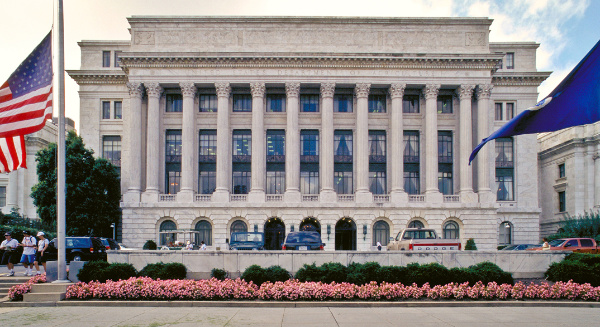 |
USDA Headquarters. (Photo credit: Ken Hammond, USDA)
|
What it does: The USDA is the big dog of food and farm agencies, with a 2024 fiscal budget of $203.4 billion in mandatory and discretionary spending. The agency is responsible for everything from paying crop subsidies to farmers and inspecting meatpacking plants to issuing the dietary guidelines (in collaboration with the Department of Health and Human Services) and regulating nutrition standards in school meals.
The USDA also provides farmers with loans, helps them implement conservation practices, and supplies multiple kinds of critical farm and crop price data. If that wasn’t enough, the USDA also administers the federal government’s multiple food assistance programs, which represent the
largest portion of its budget.
|
How you see the USDA every day: Every package of meat you buy in the grocery store is stamped with a code that identifies the USDA-inspected processing plant it came from. If it’s chicken or pork, those animals ate grain subsidized by USDA commodity programs. The USDA funds the burgers kids eat at school and regulates their nutrition content. If you join a community supported agriculture program or shop at a farmers’ market, there’s a good chance the farmer you buy from relied on a USDA program to put up a hoop house or build a fence. That’s just scratching the surface.
|
Has oversight over: Among the many mandates of the USDA (including programs that go beyond food, like forestry and rural development), the main programs are:
|
Nutrition and Food Assistance. Administers food assistance programs (called nutrition programs) including the Supplemental Nutrition Assistance Program (SNAP), the Special Supplemental Program for Women, Infants, and Children (WIC), the Emergency Food Assistance Program (TEFAP), school meals, and summer meals. The USDA estimates those programs serve one in four Americans each year.
Also oversees some nutrition education and is responsible for creating the dietary guidelines in partnership with the Department of Health and Human Services (HHS).
|
Food Safety. Ensures safety of meat, poultry, and egg products through the Food Safety and Inspection Service (FSIS), which places inspectors within plants across the country to detect contaminants like E. coli and listeria, among others. Oversees veterinary health of animals in the food system through Animal and Plant Health Inspection
Service (APHIS), which also touches food safety through issues like bird flu and African Swine Fever.
|
The Business of Agriculture. Various divisions support farmer livelihoods. The Farm Service Agency oversees commodity programs, loans, and disaster assistance and has local offices in farm counties all over the country. The Risk Management Agency oversees crop insurance. The Agricultural Marketing Service (AMS) runs the National Organic Program; it is in charge of food labeling standards like “grass-fed” and “cage-free” and provides market data on livestock, fruits, and vegetables.
AMS is also responsible for overseeing the programs that support regional and local food systems, like grants that fund farmers’ markets, help farmers launch CSAs, and allow dairy farmers to start making their own cheese.
|
Conservation and Natural Resource Management. The USDA runs the Forest Service, but on the farm side, Natural Resources Conservation Service (NRCS) employees are its “boots on the ground.” NRCS runs popular conservation programs like the Environmental Quality Incentives Program (EQIP), and NRCS staff work with farmers to identify conservation practices that could work on their farms and whether USDA programs can help.
|
Data, Research, and Innovation. The USDA’s Agricultural Research Service (ARS) and National Institute of Food and Agriculture (NIFA) conduct and fund important research studies on agriculture, food science, and related fields. The Economic Research Service (ERS) keeps data on food prices, food choices, farm production costs, food access, and agricultural trade. Finally, the National Agricultural Statistics Services (NASS) conducts the Census of Agriculture every five years. It’s the most trusted source of information on American agriculture and reports on how many farms there are, who’s growing our food, what they’re producing, and much more.
|
|
|
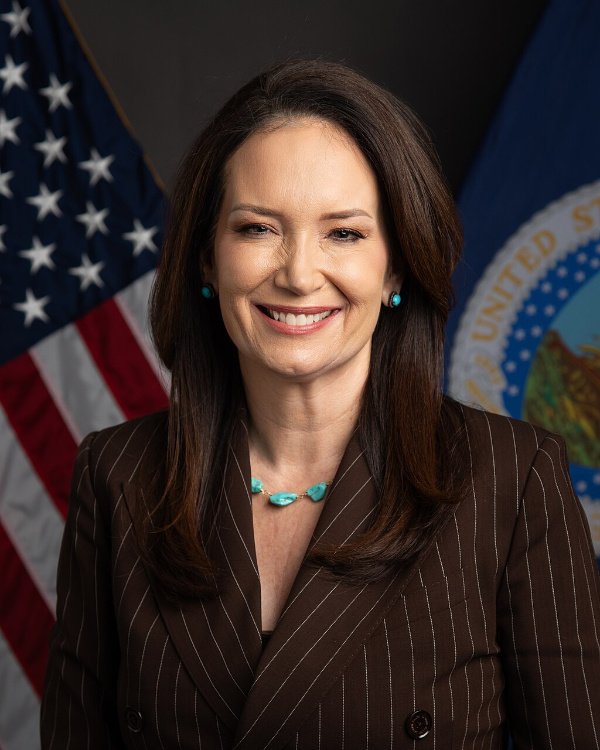
Current head: Brooke Rollins, Secretary of
Agriculture
Changes since January 2025: Since the Trump administration took over, the biggest structural change has been a reduction in staff. About 18,000 employees have resigned or been let go so far, about 18 percent of its 2024 workforce. In late July, Rollins unveiled a major reorganization of the agency, which would move most USDA staff out of D.C. and further restructure a number of departments.
|
|
|
|
The Food and Drug Administration
|
 |
Building 1 on the FDA's White Oak Campus headquarters in Maryland.
|
What it does: The FDA is a sub-agency of the Department of Health and Human Services (HHS). Its biggest food-related mandates are regulating food ingredients like additives, enforcing food safety rules, and promoting nutrition.
|
How you see the FDA every day: When foods like fresh lettuce or packaged granola bars get recalled by companies or the FDA itself, the agency alerts the public. Farms that produce the tomatoes you buy at a market have to follow FDA rules that relate to washing and packing their produce. The FDA also approves those nutrition fact and additive labels you see with packaged foods and dietary supplements.
|
Has oversight over: The FDA’s most important food system responsibility is monitoring the safety of the food supply, with the exception of eggs, poultry, and meat, which are regulated by the USDA. It conducts inspections, regulates additives, and writes the rules that food companies have to follow. It’s also responsible for nutrition information and regulations, including nutrition and ingredient labels and specific rules around marketing language on packaging. (It strictly defines “healthy,” for example.)
In addition, its Center for Veterinary Medicine tracks the use of antibiotics and other veterinary drugs in livestock.
|
Has oversight over: The FDA’s most important food system responsibility is monitoring the safety of the food supply, with the exception of eggs, poultry, and meat, which are regulated by the USDA. It conducts inspections, regulates additives, and writes the rules that food companies have to follow. It’s also responsible for nutrition information and regulations, including nutrition and ingredient labels and specific rules around marketing language on packaging. (It strictly defines “healthy,” for example.)
In addition, its Center for Veterinary Medicine tracks the use of antibiotics and other veterinary drugs in livestock.
|
|
|
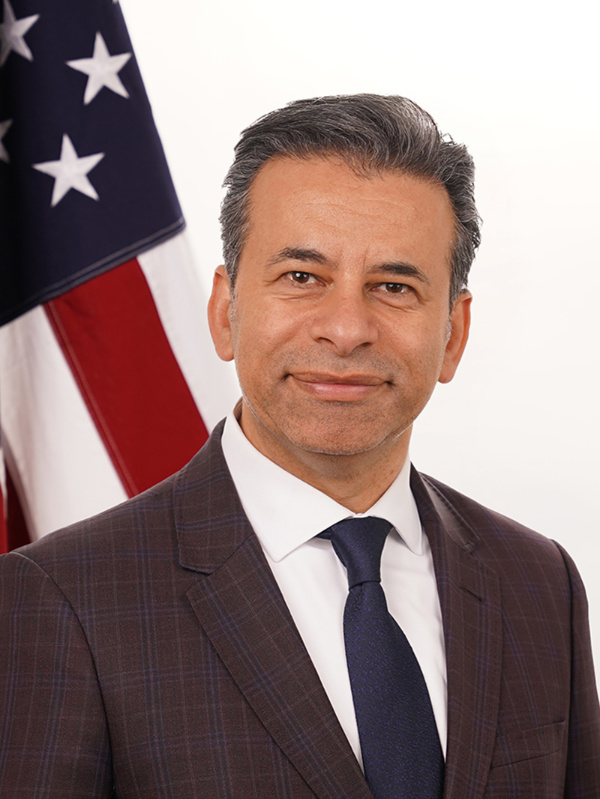
Current head: Martin Makary, FDA Commissioner
Changes since January 2025: Despite the agency’s name, food has long taken a back seat to pharmaceutical oversight at the FDA. Food safety debacles, especially the infant formula crises in 2021 and 2011, led to an outside review, which found the agency’s responsibilities related to food were too scattered throughout disconnected departments.
|
|
|
In 2024, under President Joe Biden, the agency moved all of its food oversight into a new, unified “Human Foods Program,” with a goal of improving food safety and elevating “the importance of nutrition to help reduce
diet-related diseases.”
Under Trump, HHS Secretary Robert F. Kennedy Jr. is restructuring the larger HHS. His proposal does not impact FDA’s Human Foods Program but does cut 3,500 jobs from the FDA, which is about 18 percent of its workforce. Trump’s FDA has also shifted the agency’s focus considerably to chemical additives and ultra-processed foods.
|
|
|
|
The Environmental Protection Agency
|
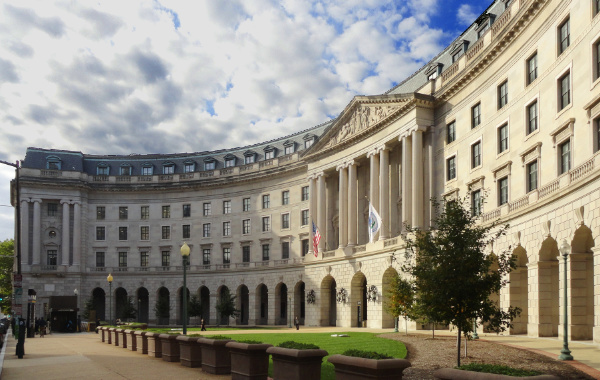 |
EPA headquarters in Washington, D.C. (Photo CC-licensed by Moreau1 on Wikipedia)
|
What it does: The EPA is responsible for writing and enforcing rules that protect the air, water, and soil from pollution, and for determining which pesticides, fertilizers, and other treatments can be used on crops.
|
How you see the EPA every day: The EPA’s involvement in the food system is less obvious on a day-to-day basis than the USDA’s, but consider a package of bacon: The agency approved the pesticides used on the crops that became feed for the pig. It also set rules that the farm, meatpacking plant, and grocery store have to follow to limit water and air pollution.
|
Has oversight over: The EPA writes and enforces air and water pollution laws that farms, slaughterhouses, food processing plants, food distributors, and retailers follow. It reviews applications and approves new pesticides, periodically reviews pesticides that are already on the market, and is responsible for assessing pesticides’ potential impacts on endangered plants and animals.
It also oversees regulations related to biofuels, the most common of which is ethanol made from corn grown on American farms, and has grant programs that help farms install solar panels and other energy infrastructure. It regulates what Americans do with their trash, including food waste,
and funds composting programs around the country.
The EPA measures and reports on greenhouse gas emissions from agriculture and other sectors, providing critical data on the food system’s climate impacts, and funds important research projects tracking farm soil contamination, the consequences of farm pollution on communities, and
more.
|
|
|
|
|
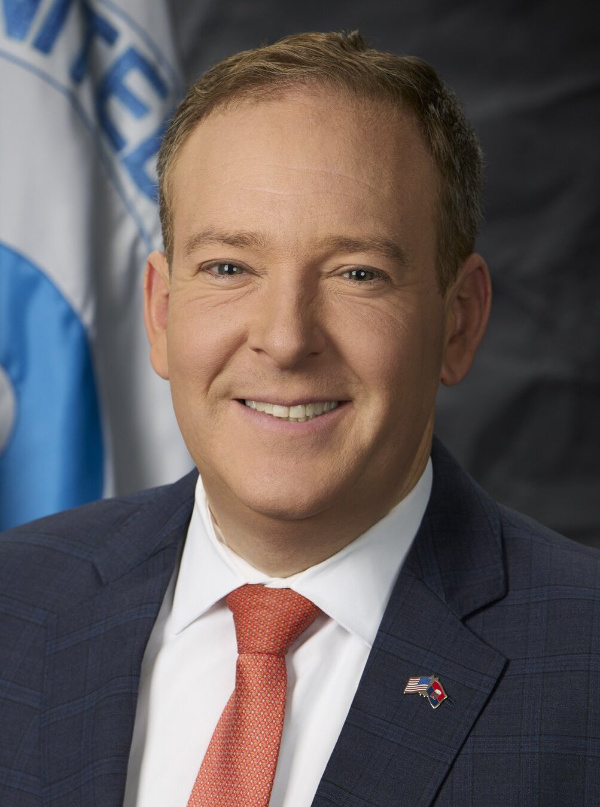
Zeldin is shifting more staff members to work on pesticide and chemical approvals and the agency is implementing an aggressive deregulatory agenda that will roll back many rules related to air and water pollution. It has proposed eliminating its own ability to regulate greenhouse gas emissions.
|
|
|
|
The Department of Labor
|
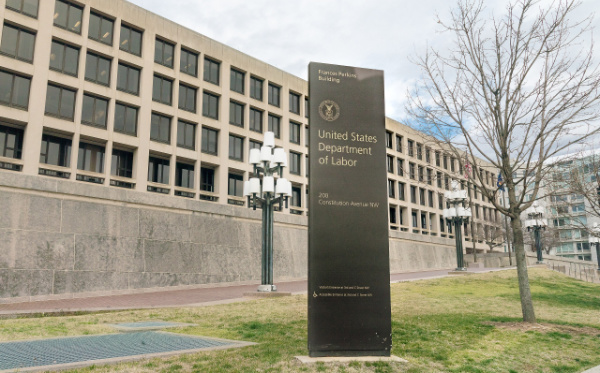 |
Department of Labor headquarters in Washington, D.C.
(Photo credit: Shawn T. Moore, DoL)
|
What it does: The Labor Department is responsible for writing and enforcing rules that impact all the people that work to get food to your plate, from farmers and farmworkers to truck drivers, cooks, grocery workers, and foodservice professionals.
|
How you see the DOL every day: In whatever form you get your food—whether from a restaurant, grocery, farm stand, or delivery app—the DOL is supposed to be making sure the companies that employ those people are following laws for how employees should be treated and paid.
|
Has oversight over: The DOL enforces basic worker protections, guaranteed by law, around things like minimum wage, overtime, and child labor for all food system employers.
Within the DOL, the Occupational Safety and Health Administration (OSHA) sets and enforces rules related to workplace health and safety. Those rules are particularly important for people working in food processing plants and on farms under harsh weather conditions. When workers believe
their employers are violating labor laws, they can report the violations to OSHA.
The DOL also enforces rules connected to recruiting and housing in guestworker programs for farms (H-2A) and food processors (H-2B).
|
|
|
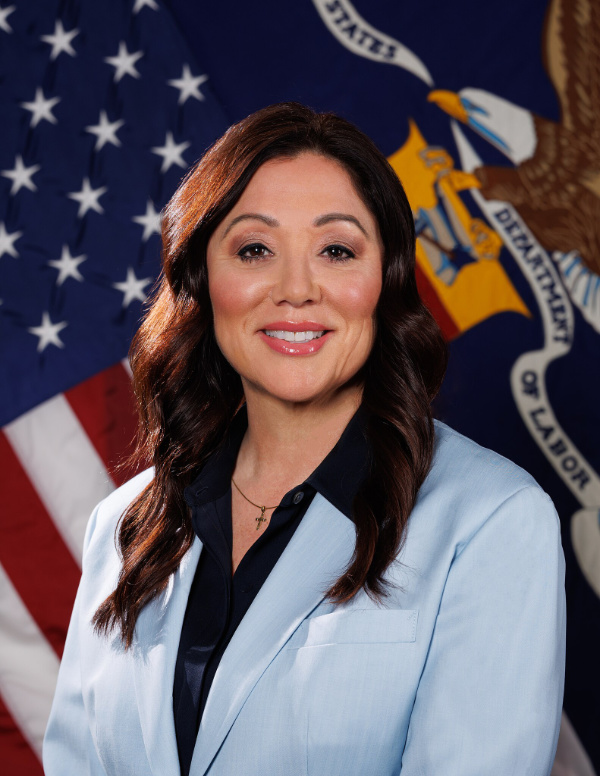
Current head: Lori Chavez-DeRemer,
Secretary of Labor
Changes since January 2025: Trump’s DOL has proposed some staff cuts in line with the overall reduction in force happening across the federal government. In May, about 20 percent of the agency’s workforce had retired even before any mandated cuts were announced.
|
|
|
|
Other Agencies
|
|
EPA headquarters in Washington, D.C. (Photo CC-licensed by Moreau1 on Wikipedia)
|
In addition to the big movers and shakers, other agencies with broader responsibilities also impact the food that gets to your plate.
|
The National Oceanic and Atmospheric Administration (NOAA) is housed within the Department of Commerce. In addition to providing climate models and weather predictions that farmers and fishermen rely on, the agency regulates the country’s fisheries and supports and regulates ocean farming of fish, shellfish, and seaweed.
|
The Federal Trade Commission (FTC) is responsible for enforcing antitrust laws. Because the food industry is consolidated at nearly every point along the supply chain, that has meant bringing cases against tractor companies and grocery chains in recent years.
|
The Department of Justice (DOJ) enforces federal law across the board, and that often applies to food companies that harm American citizens. For example, the DOJ sued poultry companies for price fixing because their collusion drove up prices for consumers.
|
The Department of Homeland Security (DHS) includes Immigration and Customs Enforcement (ICE) and the U.S. Border Patrol. It enforces the country’s immigration laws, including monitoring the country’s borders. Because food workers are disproportionately immigrants, DHS actions like raids and deportations often impact farms and food companies.
|
|
|
|
What's Next
|
Next time, we’ll talk about the specific federal food policies that shape our food system. That definitely means the farm bill, but we’ll also cover some other major policies on the agenda.
Stay tuned!
|
|
|
|
Follow Civil Eats for More
|
This Crash Course is a high-level look at a topic we've been publishing award-winning reporting on for more than 16 years. If you like what you've read so far, sign up for our newsletters and follow us on social media for
all the latest news.
|
Join the Civil Eats Community!
|
Civil Eats is powered by readers like you. Your gift of $100 or more by September 30 helps sustain our award-winning journalism-and unlocks this Crash Course, along with opportunities to connect with our team and a network for food system leaders.
|
|
|
|
|