|
|
|
|
Our independent, investigative journalism about the U.S. food system is supported by members and donors like you.
|
| Become a Member for $6/mo. |
|
|
Dear Readers,
Happy 2024! The Civil Eats team is back at it and so very grateful to all who contributed to our year-end fundraising efforts. Thanks to you, we met our NewsMatch goals and also have dozens of new members. (And it’s not too late to still become a member if you’re not one yet!)
We’re also excited to celebrate our 15th anniversary with you this year. We’re proud of everything that our small, independent newsroom has achieved since launching in January 2009, and we’ll have a lot of exciting news to share in the coming months.
Look forward to editorial coverage and programming to commemorate this momentous occasion throughout the year. We’ll also continue to cover the U.S. food system, with new reporting, investigations, and more. To top it all off, it’s also an election year, so buckle up.
Thank you all for being part of this journey.
~ The Civil Eats Editors
|
|
|
|
|
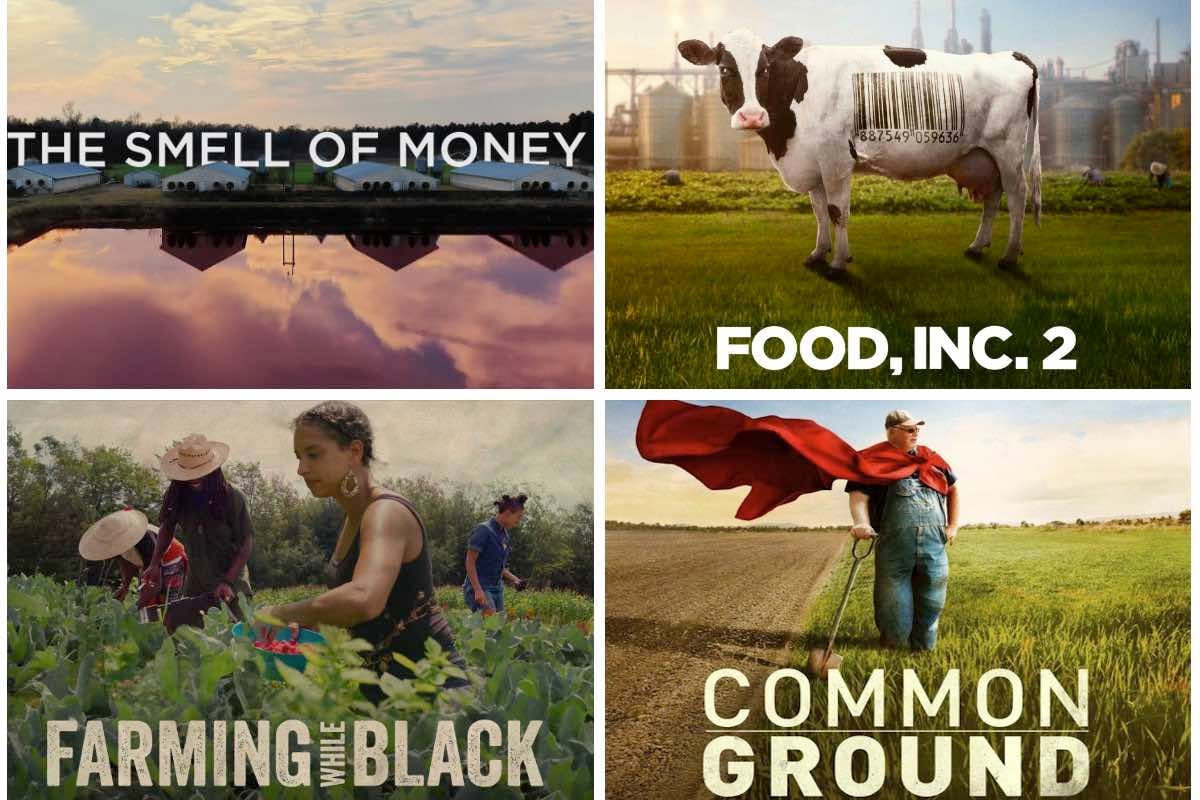 |
The Food System Is Having a Big-Screen Moment
|
By LISA HELD • January 10, 2024
|
In Warsaw, North Carolina, René Miller’s great-great nephews are playing basketball in the yard. The gregarious little boys take a break and begin talking to the crew filming them about the breathing machine Miller uses, especially in the summer when farmers spray the crop fields directly across the street with waste from the surrounding industrial hog farms and her asthma attacks increase. Then, the older boy, Mari, has a question.
“What is this movie even called?” he asks. Off-screen, writer-producer Jamie Berger says, with amusement in her voice, that the team hasn’t decided yet. Does he have any ideas?
“Yup,” he says, without
missing a beat. “How about, ‘The Hog Farm Stinks?’”
It’s a moment Berger now points to as one of her favorites in the documentary set in the country’s top hog-producing counties—although ultimately the filmmakers went with The Smell of Money.
And it’s a prime example of how the filmmakers gave new, vibrant life to an environmental justice story that had been chronicled by national news organizations—including this one—for years. In the film, Berger and director-producer Shawn Bannon focus on the day-to-day struggles of a group of Black families who are engaged in a lawsuit against Smithfield, one of the biggest industrial pork companies in the world, for polluting their communities in ways that they say have devastated their health, property values, and quality of life. Read the full story.
|
|
|
|
|
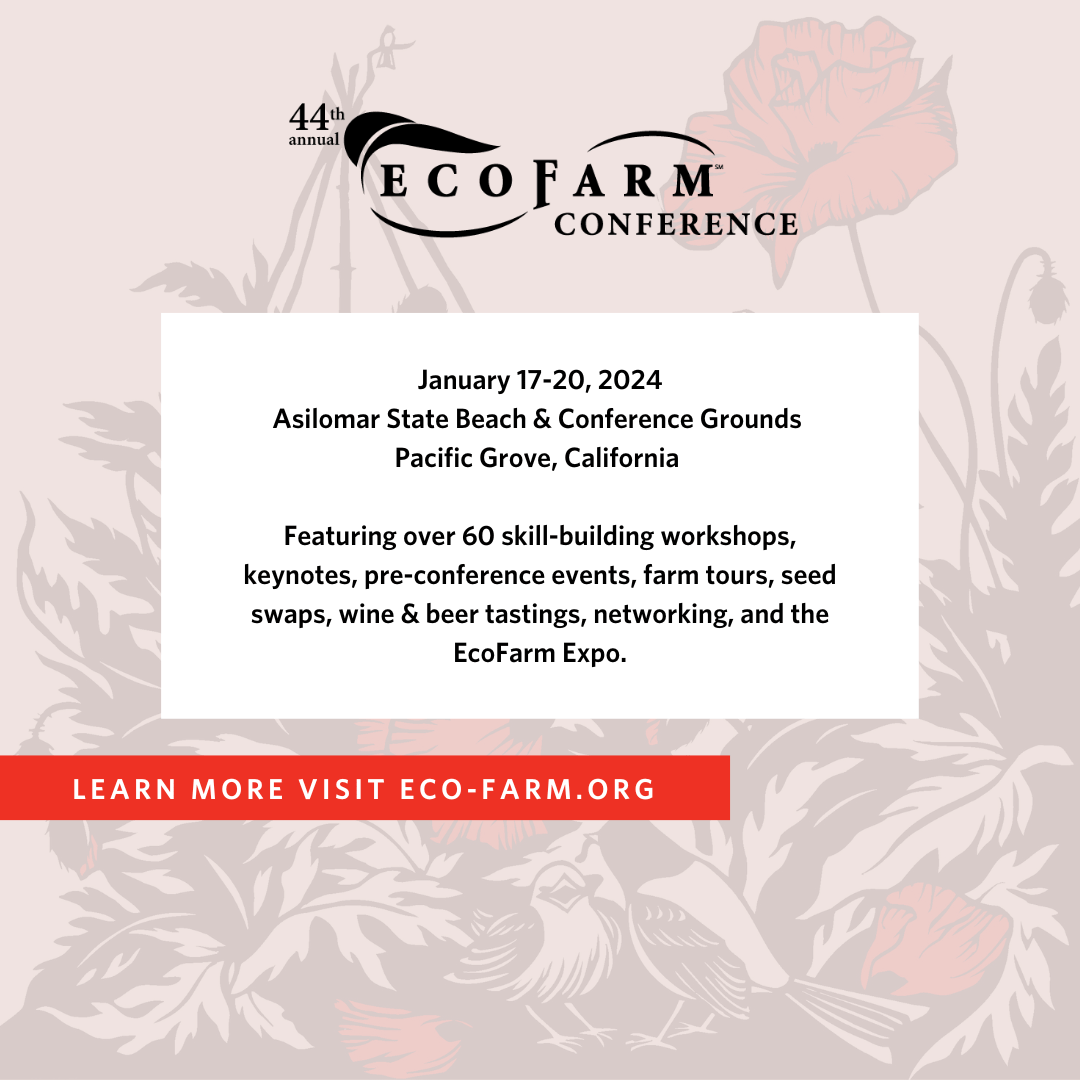 |
Through its connective events, the Ecological Farming Association (EcoFarm) facilitates an exchange of knowledge and resources among a diversity of stakeholders and grassroots leadership to advance just and ecological farming and food systems. Founded in 1981, the annual EcoFarm Conference is the oldest and largest organic farming conference west of the Mississippi, supplemented by other events throughout the year. Join us in January to connect with 1,500+ organic, biodynamic, and regenerative farmers, ranchers, and industry leaders.
|
| Click Here to Register |
|
|
|
|
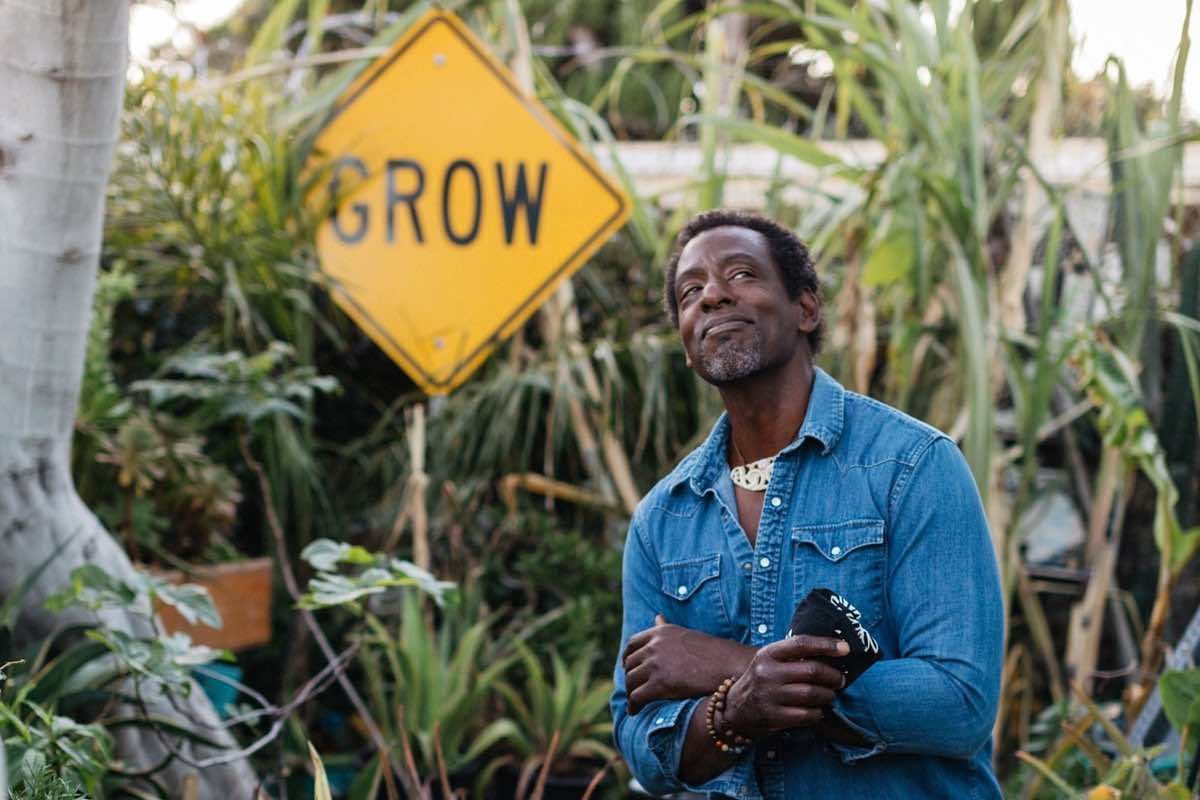 |
A TED Talk Put Ron Finley on the Map. 10 Years Later, the ‘Gangsta Gardener’ Is Going Strong.
|
By STEPHANIE TOONE • January 9, 2024
|
It has been 10 years since Ron Finley, the self-proclaimed “Gangsta Gardener,” changed the trajectory of his life with a TED Talk about food apartheid in his community, South Central Los Angeles. The talk has been viewed nearly 5 million times since then, and one of its most memorable lines—“Growing your own food is like printing your own money”—has since become the seed of Finley’s burgeoning philanthropic work.
Finley has become famous for planting avocados, bananas, mangoes, and
sugar cane in and behind his house in a spot where there was once an Olympic-sized swimming pool and making it available to community members for free.
He organized against regulation that prevented Angelenos from curbside gardening, and went on to launch a nonprofit, the Ron Finley Project. And yet he says he’s still amazed by the impact of the TED Talk and the number of doors it has opened for him and his work.
In recent years, Finley has become one of the most popular teachers in the online education series MasterClass, and he has been invited to speak in a wide range of far-flung places including Greece, Sweden, and
Denmark. And in 2024, Finley and his staff will curate an art show called “Breath(e): Toward Climate and Social Justice” at The Hammer Museum in Los Angeles. Read the full story.
|
|
|
|
|
 |
The Farmers Leaning On Each Other’s Tools
|
By GREY MORAN • January 8, 2024
|
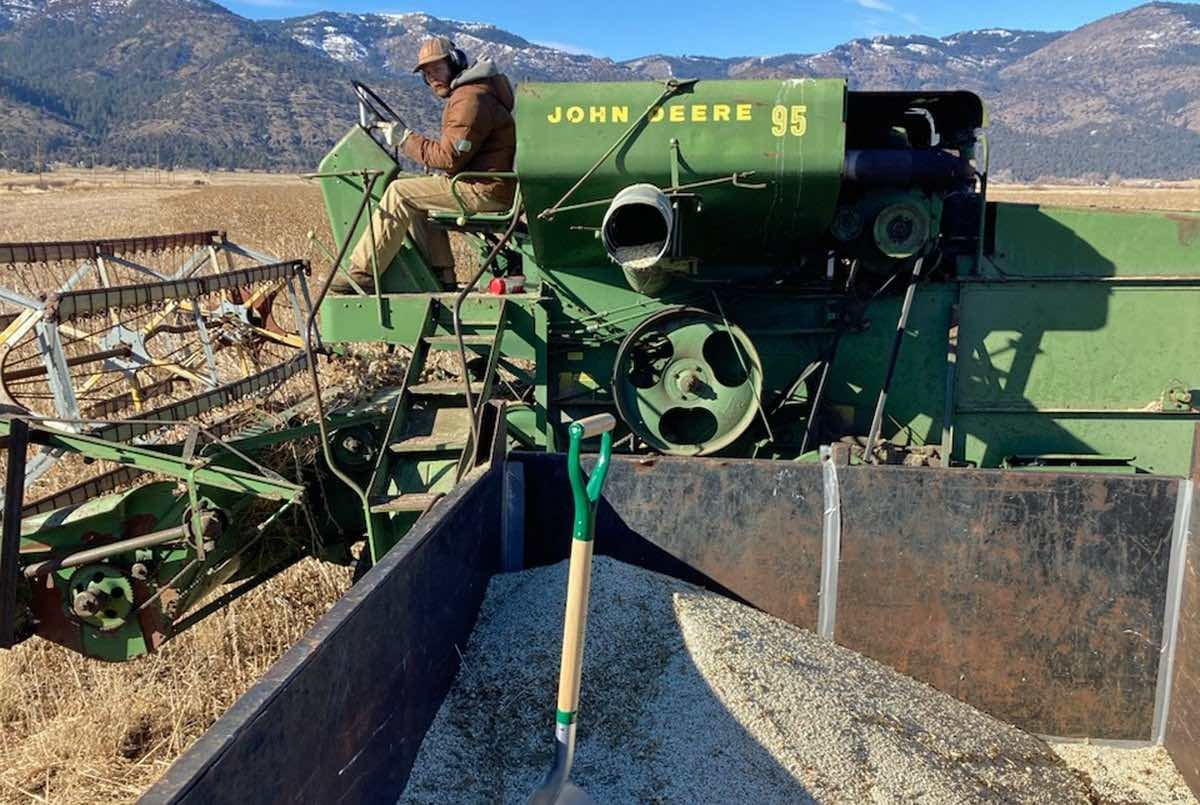
Collective approaches to farming, like equipment sharing, often emerge from a stark realization: The current farm business model in the U.S. isn’t working for many small producers. The median farming income in the U.S. was less than zero in 2022: -$849. Meanwhile, the cost of farm production expenses are expected to reach a record high in
2023. It’s a balance sheet that isn’t adding up, and equipment is a part of the equation.
Next to land, equipment is a farmer’s biggest investment. While farm equipment collectives are still relatively rare in the U.S., they tend to share a similar origin story: Farmers begin informally swapping farm equipment to ease costs, building a sense of trust. Then they realize that sharing tools makes sense and they build a more formal system. This is the story of Tool Legit (yes, named after the MC Hammer song), a farm equipment library in North Carolina.
“It started off with a couple of buddies. I owned the tiller. Someone owned a bush hog. Someone owned a flail mower. We would just swap them back and forth as needed,” said George O’Neal, a vegetable farmer who started Tool Legit. “We thought it was so stupid to have all this steel sitting in the field that we were using just twice a year.” Read the full story.
|
|
|