View this email in your browser
|

|
The Deep DishAn insider look at food and farming from Civil Eats
|
Issue 32, November 2024: A First Look at Our Winter Reading List
|
|
|
|
|
The Editors' Desk
|
We’re offering this, our final Deep Dish of the year, as a calm harbor of sorts, or at least a pause that refreshes: a place to pull in and choose a good book—or several. You’ll find our staff’s favorite new picks here. As always, we leaned toward books that offer solutions, rich history, social insights, family stories, and—it being the holidays—outstanding recipes, which we hope fuel good conversation and connection around your table.
With this issue, we’re also celebrating the close of our 15th year. When Civil Eats was founded in 2009, we were the first publication to cover the U.S. food system. As an independent newsroom, we’ve never accepted advertising, and are honored by the recognition and impact we’ve achieved, including being named Publication of the Year by the James Beard Foundation and being inducted into the Library of Congress. This year, we won a newsletter excellence award from the Online News Association for the publication you are reading now.
We also expanded our staff, welcoming Editorial Director Margo True, Senior Editor Momo Chang, Contributing Editor Brian Calvert, and our U.C. Berkeley Fellow Nicole Caruth, all of whom bring fresh energy and new perspectives to our coverage.
We could not have done any of this without your support, for which we are continually thankful. Your investment in us makes it possible for us to flourish and find stories that dig into the hidden, important realities of how food works in America and recognize the unsung heroes who show up for their communities every day.
Thank you for being a member! You can still participate in our NewsMatch campaign until the end of the year by making a donation. Every dollar of your support will be matched. If you believe in the work we’re doing, please consider giving today to double the impact of your donation.
If the titles featured here whet your appetite for reading, we have more recommendations in store for you. Our full Holiday Book Guide, with additional reviews by contributors, will be online Tuesday, December 3.
~ The Civil Eats Editors
|
|
Donate Today
|
|
|
|
|
Member Updates
|
As this year concludes, we’re taking part in NewsMatch, a fundraising campaign that will match every dollar we raise, up to $15,000, through the end of the year. With your additional support, we can uncover more unreported stories, amplify underrepresented voices in the food system, and pay our team equitable wages. Please consider making a one-time gift, with thanks from all of us here at Civil Eats. (Donations of $100 or more will include a sustainably sourced, limited-edition Civil Eats tote bag.)
Membership Recap
This year, we took a monumental step to drop our paywall, making our reporting free for all. Your continued support of Civil Eats, purely because you believed in us, fuels our drive. Thank you.
An important part of our work is engaging with you, our most dedicated readers. We were glad to see you participating in our salons this year: Revitalizing Home Cooking, Revelations About the World of Plants, and Food Prices and the 2024 Election—and in
our Slack community, talking with each other and our editors about any and all topics related to the U.S. food system. (If you’d like to join us on Slack, please review the Community Rules and Agreements and accept this invitation link. Here are the instructions if you’re using Slack for the first time.)
Lastly, your feedback on our member survey earlier this year helped us better understand your membership experience. We continue to use that feedback to guide us.
Virtual Meetup
Join us for our virtual meetup on Thursday, December 12, at 10 am PT/1 pm ET. In this fun and fast-paced meeting, we’ll hang out on Zoom and get to know each other. Sign up by December 11.
Book Club
Beginning in January, we’ll host a virtual book club on The Crop Cycle: Stories with Deep Roots by Shane Mitchell, our editors’ pick from our 2024 Holiday Book Guide (coming to the website December 3). To join us, buy your copy of the book with a 20 percent discount using the code “civileatsbookclub,” and RSVP by Friday, January 10.
Look for more member opportunities and events coming your way in 2025. If you have any questions, ideas, or testimonials that you would like to share, reach out to us at members@civileats.com. Thank you for supporting us and helping make our work possible! |
|
|
|
Book Recommendations From the Civil Eats Team
|
|
|
BY NISHA VORA
|
|
|
Nisha Vora resigned herself to eating a lot of bland foods when she first went vegan for ethical reasons. A lawyer turned vegan recipe developer and founder of
the lifestyle website Rainbow Plant Life, Vora often found herself hungry—until she became a better cook and started exploring what she calls “big vegan flavor.” Eventually, the concept became a rallying cry—and the name of her new book.
|
|
|
By properly layering flavors at every stage of the cooking process to give vegetables the respect she believes they deserve, Vora aims to show that it’s possible to create satisfying meals without relying on
crutches like cheese and butter. She goes deep into how to use an arsenal of herbs, aromatics, spices, and chiles to punch up a dish, along with chapters on grains, everyday veggies, and easy-to-swap proteins. She also includes a section of “wow-worthy meals” that she says are “hearty enough for omnivores,” stacked with recipes like velvety white-bean and tomato stew and crispy smashed potatoes, plus sauces like avocado crema and a throwback ranch dressing.
Vora shares everything she has learned during her vegan journey and aspires to help readers become more intuitive cooks by providing the “how” and “why” behind her recipes. Her lessons on using acid or sugar to balance out flavors, for example, and how to achieve a creamy texture without dairy, can be applied well beyond the book's 150 recipes. Vora hopes these tricks, tips, and recipes show readers that you don't have to deprive yourself to eat “more plants and fewer animals.”
—Tilde Herrera
|
(return to top)
|
|
|
|
|
|
|
|
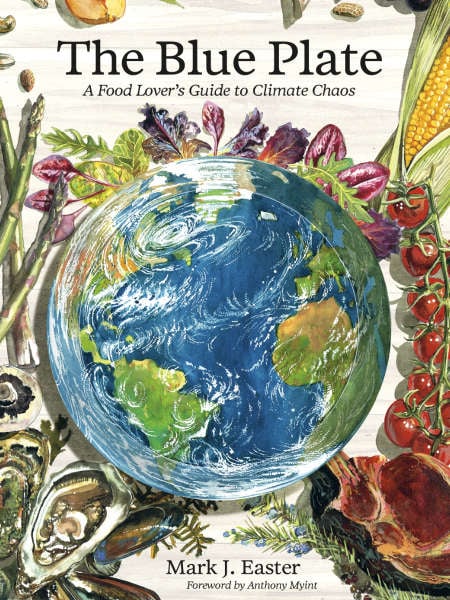
An ecologist who studies the carbon footprint of food, Mark Easter found himself making grim climate calculations every time he ate dinner. Then, after visiting a
thriving urban farm with a minimal carbon footprint, he began to wonder whether we could shift our climate trajectory by eating and farming differently.
|
|
|
In The Blue Plate, Easter answers that question with urgency and enthusiasm, taking us on a tour of a half-dozen of our most staple foods and connecting each to its particular legacy of
extractive agriculture: wheat and the depleted soils of the Midwest, desert vegetables that depend on river-ruining dams, shrimp raised in waters where carbon-rich mangrove forests once stood. Some of these stories are familiar now, but Easter finds the details that make them come alive and unpacks the science with the panache of a storyteller. Throughout, carbon-footprint bar charts show the multiple emission sources for each food, conveying the impact of an entire supply chain at a glance.
The book goes beyond the problems, too. Every chapter dives into alternate ways of raising those same foods. Easter visits farmers and ranchers who follow restorative techniques tuned to the specific needs of their land, and reports on regenerative breakthroughs like perennial farming as well as ancient Indigenous practices like agroforestry. In a final chapter, he brings it all together in a list of suggestions for low-carbon eating—a “blue plate” that could help preserve our future on this blue planet. —Margo True
|
(return to top)
|
|
|
|
|
|
|
|
BY BETH DOOLEY and GARY PAUL NABHAN
|
|
|
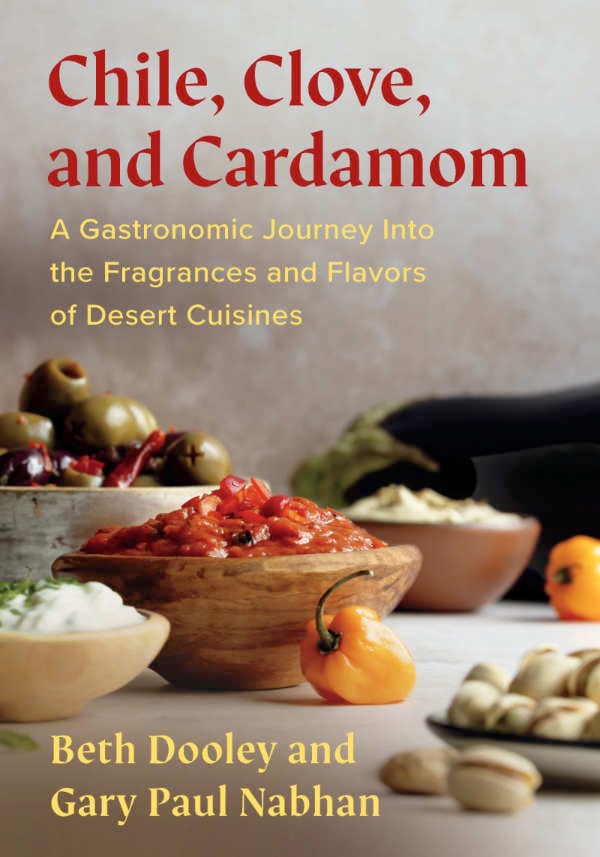
As much of the planet moves toward a hotter, drier future, here’s a book that accepts the inevitable, but not with dread or gloom. Instead, the authors of
Chile, Clove, and Cardamom argue that even in a ferocious climate, we can find a way to eat well by embracing ingredients and cuisines from the desert regions of the globe, from the Middle East to the southwestern United States.
|
|
|
Plants and herbs from arid regions tend to smell and taste more pungent, we learn—partly because the heat and lack of moisture concentrates their flavor, but also because of the protective antioxidants they
produce to help them withstand blistering sun and drought. Those potent aromas and flavors practically rise from the pages as you thumb through the recipes: sage, thyme, oregano, chile, roasted eggplant, tahini, pomegranates, wild greens, nutty tepary beans, and toasted mesquite flour, the essences of ancient desert cuisines. Culinary history, science, and ingredient notes enrich the reading, but the real joy of this book rests in the cooking. The recipes are friendly, concise, and doable, with suggested alternatives for less-available ingredients. They may even offer, as the authors suggest, “sufficient sensuous pleasures to assure us that our lives need not be impoverished as the planet’s climates change.”
—Margo True
|
(return to top)
|
|
|
|
|
|
|
|
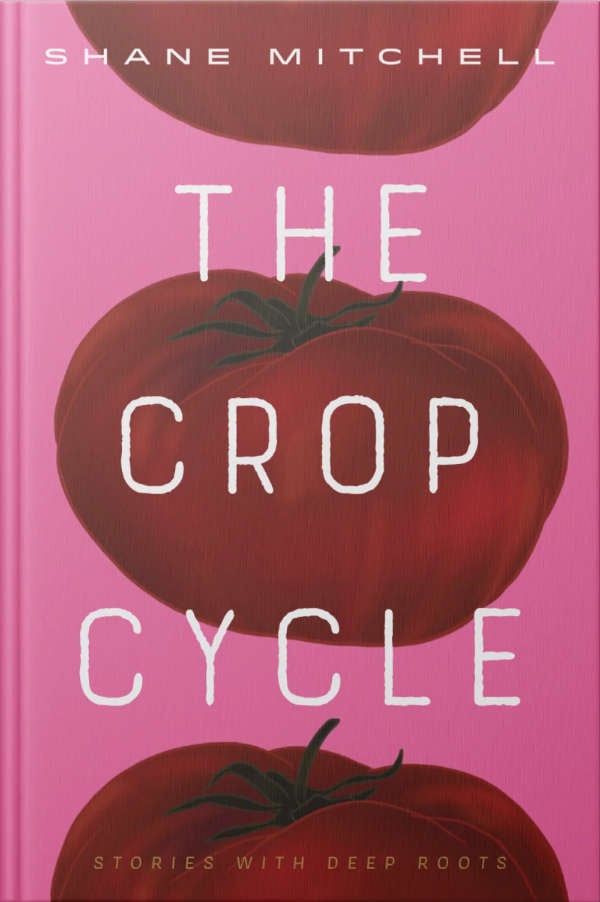
Writer Shane Mitchell was born and raised in New York, but her Southern roots run 11 generations deep in the Lowcountry of South Carolina. The Crop Cycle
is a collection of reported essays Mitchell has penned over the last nine years (including a never-before-published piece about dessert!) that explore consequential Southern crops—corn, peanuts, tomatoes, okra, peaches, onions, and watermelon, to name a few.
|
|
|
In the essays, many of which have earned James Beard Foundation nominations or awards, Mitchell follows the crops back to their origins in places like the African continent, tracing their
often-fraught journeys to the American South. She also visits people who grow, prepare, and celebrate the foods today—like the owner of an East Charleston Gullah restaurant known for its crab rice, organizers with the Coalition of Immokalee Workers (CIW) fighting for the rights of tomato pickers, and the 19-year-old winner of the Miss Georgia Peach pageant.
Throughout, Mitchell weaves in her own connection to the foods—we hear about her nana’s rice-cooking regimen, her father’s habit of storing Vidalia onion bulbs in used pantyhose, and her great-aunt’s penchant for gifting kumquats for Christmas. The colorful essays, which span centuries and continents but also feel present-tense and intensely Southern, explore the crops’ personal and cultural significance as well as complicated issues of race, class, labor, and land.
—Christina Cooke
|
(return to top)
|
|
|
|
|
|
|
|
Investigative journalist Alice Driver cements her reputation as one of the foremost chroniclers of the perilous lives of food chain workers in her debut book
Life and Death of the American Worker, a story of the unrealized promise of the American dream. This sweeping investigation closely follows a handful of immigrant and refugee workers subjected to merciless, regulations-skirting conditions while processing more than a hundred birds per minute at Tyson’s meatpacking plants in rural Arkansas, where Driver grew up.
|
|
|
Expanding on Driver’s award-winning Civil Eats
investigation, the book reveals how Tyson’s meatpacking industry is structured to conceal injuries. Workers are directed to on-site nurses and company-approved doctors, all part of a vertically integrated healthcare system that downplays and ignores injuries—and even punishes workers for seeking medical help. There is an eviscerating quality to Driver’s prose as she renders in exacting detail the workers’ repetitive motions and neglected injuries.
But this is not just the story of a corporation’s harrowing disregard for life; it is also about what Driver describes as the “the moral beauty of the immigrants who process our nation’s meat,” like the women workers who joined together to teach each other how to stand up for their rights. Driver takes us inside the homes of workers, witnessing their daily rituals of survival and grief. In one especially haunting scene, a former Tyson worker leaves a “cup covered in red hearts full of fresh coffee for Plácido”—an offering to her husband who died of Covid-19 in the early pandemic. He was likely predisposed to the virus because his lungs had been engulfed in ammonia after a chloride spill at Tyson. Life and Death of the American
Worker is essential reading for anyone who cares about the U.S. food system and the immigrant workers who sacrifice their health to make it possible.
—Grey Moran
|
(return to top)
|
|
|
|
|
|
|
|
BY TU DAVID PHU and SOLEIL HO
|
|
|
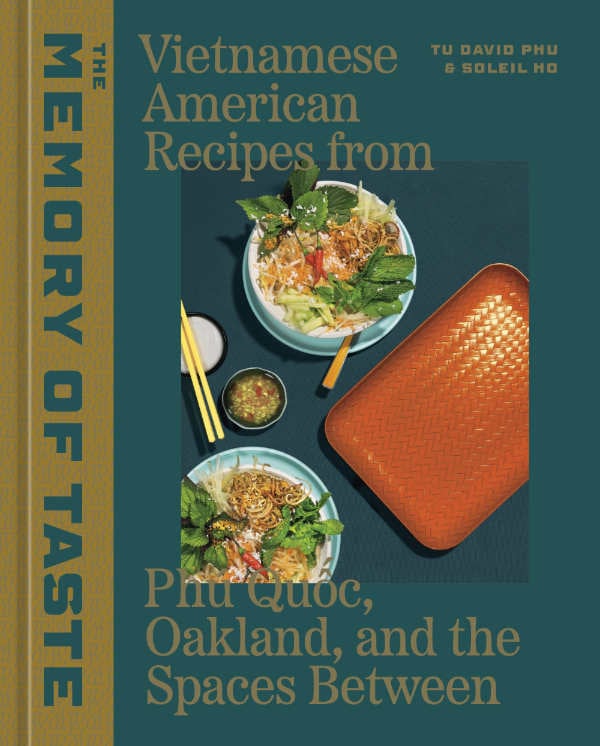
Tu David Phu’s new cookbook is an homage to immigrant families—and mothers, in particular. The Top Chef alum, raised in Oakland, California, focuses on
stories and recipes from Phú Quoc, an island in the Southwest of Vietnam where his parents are from.
The son of refugees, Phu grew up with his father, a fishmonger, and his mother, a seamstress. Several essays throughout the cookbook serve as a guide to his upbringing and ethos.
|
|
|
For example, an essay on seafood sustainability covers not only where fish are caught, but also how using all parts of a fish is the way his family sustained themselves, like the many generations before them. The
book was written with Soleil Ho, a San Francisco Chronicle columnist and the paper’s former food critic, and edited by Bryant Terry (Black Food, Vegan Soul Kitchen).
In these pages, you will find recipes for Vietnamese hotpot soup made with salmon, a brined herring salad, and classics like pho ga, a chicken noodle soup. Tu shares Vietnamese staples, including julienned and pickled daikon and carrots that pair well with many dishes, and a simple lime and fresh-cracked pepper dipping sauce for seafood such as steamed crab that opens up the palate. Filled with colorful photos, the book will be a welcome addition for food lovers who want to expand their repertoire of Vietnamese dishes, from traditional recipes to “authentically inauthentic” chef creations.
—Momo Chang
|
(return to top)
|
|
|
|
|
|
|
|
Written by a professor at U.C. Santa Cruz, The Problem With Solutions feels like a class on the impacts and limits of Silicon Valley’s “solutionism”
as applied to food and agriculture.
Using a combination of her own research, historic context, and current examples, Julie Guthman makes the case that while sometimes well-intentioned, techies often jump to solutions before understanding complex food-system problems.
|
|
|
Then, they apply frameworks that lean on their tech know-how and focus on what can be funded rather than what is actually needed.
“To cut to the chase, we find that despite grand ambitions, many of the solutions the sector brings are underwhelming, unnecessary, or untoward,” she writes, before laying out what she sees as the better way to address food system problems, an approach she dubs “response.” Response, of course, is a much slower, more difficult endeavor, asking us “to contend with the root social causes of a problem and consider how those might be addressed before resorting to a technical solution.” Unlike “solutions,” Guthman suggests, that kind of approach won’t be funded by venture capital. It will have to come from outside Silicon Valley.
—Lisa Held
|
(return to top)
|
|
|
|
|
|
|
|
Rose High Bear Guides the Future Stewards of the Planet
|
BY JIM COLGAN
|
Rose High Bear identifies herself in multiple ways. There’s the tribal affiliation she gives when asked to introduce herself—Deg Hit’an Dine/Iñupiat. There’s the name of her group—Athabascan, or Alaska Native. And then there’s “Caribou People,” for the traditional food source that has sustained the Iñupiat.
|
|
|
|
“There are old traditional stories that tell about our origins and how we’re connected with the world of nature,” High Bear says. “The Great Spirit gave a
piece of the caribou heart to the Athabascan people, and a piece of the Athabascan heart to the caribou, and that links us.”
|
|
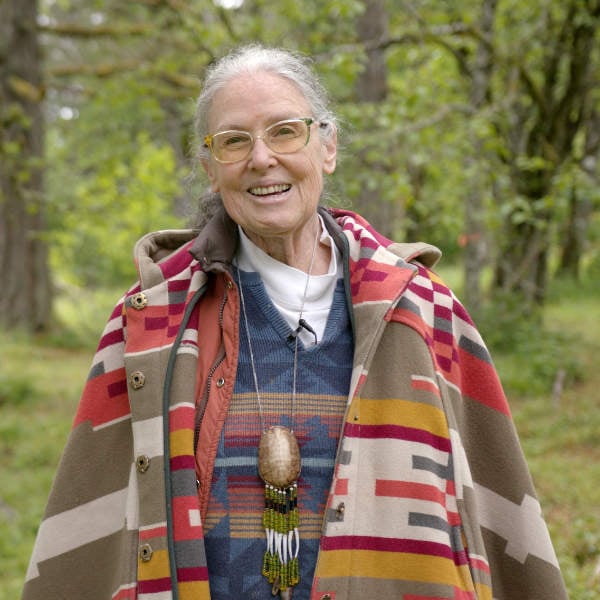 |
Photo courtesy of Rose High Bear
|
|
|
High Bear, 80, is the founder and project director of the nonprofit Elderberry Wisdom Farm, which she created five years ago in Marion County, Oregon, to help Native Americans and other underrepresented groups pursue agricultural and horticultural careers.
High Bear was born in a small Alaska town called McGrath. When she was four years old, her parents divorced. Her father received full custody and brought her to Coos County, Oregon, to be raised by “the white side of the family.” Until she was in her 20s, High Bear falsely believed her mother was dead.
“That was a major change in my life to discover my ethnicity at age 26. Can you imagine?” she says.
After that, High Bear connected with her eight Native brothers and sisters, along with her Alaska cultural and spiritual ancestry. Back in Oregon, she started joining Sun Dance and sweat lodge ceremonies as well as vision quests that she said revealed her future path. That’s also when she met her husband, Martin High Bear, a Lakota medicine man.
Together they co-founded a nonprofit in Portland, Wisdom of the Elders, Inc., which produced films about Native elders in order to restore the cultural values of their people. After her husband died seven years into their marriage, High Bear continued to run the nonprofit, recording the oral history of hundreds of Native elders.
She had been running Wisdom of the Elders for 25 years when she felt called by the Spirit World to make a change. “I was simply told that I would be moving and that I would find a secluded place where I could train Native people to grow food,” she says.
A few years later, she started Elderberry Wisdom Farm near Salem, Oregon, now 20 acres, where Indigenous youth learn traditional ecological knowledge and habitat restoration through internships. The organization also has a partnership with Salem to plant trees in school yards and neighborhoods that lack plant cover. Reconciliation is part of the group’s purpose: “We are especially committed to raising public awareness of Native Americans' prophetic role of helping all peoples learn to care for the earth and for one another with respect and honor,” according to the farm’s
website.
|
|
“When we heal our self, we can heal our family. When we can heal our family, we can heal our community. And when our community heals, we can heal the world.”
|
You could say High Bear might have reason to be bitter. She was torn from her Native culture at a young age. And even when she reconnected, she says many Native people didn’t accept her, since she was light-skinned.
But High Bear doesn’t see the point in being angry at the world, she says, when the only person we can really change is our self. “When we heal our self, we can heal our family,” she says. “When we can heal our family, we can heal our community. And when our community heals, we can heal the world.”
|
(return to top)
|
|
|
|
|
 |
Ashleigh Shanti. (Photo credit: Johnny Autry)
|
The Check-In: A Celebrated Southern Chef Challenges Simplified Notions of Black Cooking |
BY NICOLE J. CARUTH
|
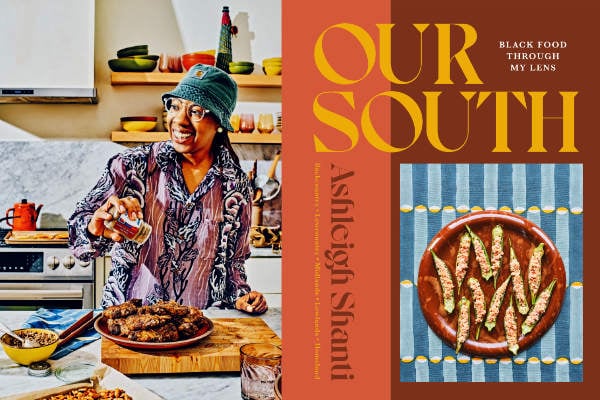
Ashleigh Shanti says she’s “out to prove something” with her debut cookbook, Our South: Black Food Through My Lens, which hit shelves last month.
“I want to dispel the myths of what America thinks Black cooking is and is not,” she writes in the opening pages. “Through my stories, recipes, and experiences, I challenge the belief that Black cuisine is monochromatic.”
Named one of “16 Black Chefs Changing Food in America” by the New York Times, Shanti has been hard at work building her legacy as a Black, queer woman in the culinary world. In 2020, she earned a James Beard nomination for Rising Star Chef of the Year, recognizing her “Affrilachian” cooking at Benne on Eagle in Asheville, North Carolina. After that, she dazzled American television viewers on season 19 of Bravo’s Top Chef. Earlier this year, she opened a fish-fry restaurant, Good Hot Fish, in Asheville’s historically Black business district, earning accolades from Eater as one of the best new restaurants in America.
Now, the Virginia native blesses us with a cookbook that doubles as a memoir, honoring the Southern matriarchs in her family while celebrating the culinary diversity of the Black diaspora. Featuring 125 recipes and vibrant photography by Johnny Autry, Our South takes readers on a journey through five southern microregions—each revealing its own “courses and customs”—and people who shaped Shanti into the chef she is today.
Between stops on her book tour, Shanti took a moment to speak with Civil Eats about Black food, queer voices in cooking, and what it’s like to be a restaurant owner in post-hurricane, post-election Asheville.
When and why did you decide to write this cookbook?
In 2020, a literary agent named Rica Allannic approached me about writing a cookbook. At the time, I was incredibly burdened by my chef position [at Benne on Eagle]. It was a very high-pressure job, with the restaurant open seven days a week for breakfast, lunch, and dinner.
|
“I want to dispel the myths of what America thinks Black cooking is and is not. Through my stories, recipes, and experiences, I challenge the belief that Black cuisine is monochromatic.”
|
|
|
|
Like a lot of people during 2020, I had a moment of reflection where I asked myself what I was doing and what legacy I was leaving. I had never opened my own restaurant, never even done a popup or anything like that. What I needed at that time, or what I wanted most, was to feel like I had a voice.
It was important for me to document these recipes, not just for me personally. I feel like there are so many foodways and traditions within Southern cooking that are kind of dying. A lot of the recipes in my family weren't even written down. If I wanted to know how to make something, I had to call my auntie, or my mom had to track down little handwritten pieces of paper.
In the introduction, you write that you “want to dispel the myths of what America thinks Black cooking is and is not.” What are some myths of this type you see perpetuated in the culinary world and beyond?
When our industry, our nation, hears of a Black chef, they automatically put us into a box and expect a certain cuisine of us. If someone makes fried chicken, that is suddenly their identity. I love fried chicken, and it's in the cookbook, but the South has so much more to offer when it comes to our foodways. I have a best friend who is a Black chef in Louisville, and he's making amazing Asian food. The diaspora is so vast, and there are so many influences we pull from, but people don't really dig deep into what our foodways look like.
|
|
“I love fried chicken, but the South has so much more to offer when it comes to our foodways. The diaspora is so vast, and there are so many influences we pull from.”
|
|
|
|
I think about how I grew up eating more vegetables than meat, which was secondary on the plate and there to bring flavor; it wasn't the star of the dish. When it comes to agriculture and farm-to-table cooking, those things for me are synonymous with the ways we cook in the South. I wanted people to walk away from the cookbook not just with the knowledge of how to make really great recipes; I wanted them to gain a deeper understanding of the South. I do believe that this book offers something that other Southern cookbooks don’t.
How did you come to know the microregions highlighted in the book?
I identify with the microregions in the book because of familial connections. I grew up in coastal Virginia. I have family on my dad’s side from Charleston, South Carolina, and kind of spread out all over the state. My mom’s side is in western North Carolina and southwestern Virginia. I didn’t set out to write a book that was divided by region, but writing it helped me understand who I am as a chef, why I cook the way that I do, why my mom’s rice is boggy and why my dad likes his rice dry, or why my mom uses a splash of apple cider vinegar and black pepper to season—that is a very Appalachian thing to do. I don’t even think I realized these things until I started documenting these recipes and tracking down all these food memories and seeing
there was a common denominator through a lot of them. Certain regions cook a certain way.
You have a “U-Haul” shrimp cocktail recipe, referring to the stereotype of lesbians who fall in love and move in together “at lightning speed.” As a U-Hauler myself, this gave me a chuckle. Has it always been important for you to celebrate queer identity or culture in your culinary work? And what has that looked like over time?
I’m glad you understood the title of the recipe. I had to explain it to my publishers. Identifying as a Black queer chef is obviously incredibly important to me. It’s who I am. I don’t remember seeing anyone like me coming up in the industry. That’s what drives me to be forthright and loud about my queerness and my Blackness: I want other people who are struggling to find themselves to feel like they’re represented.
Aside from the U-Haul recipe, is there one dish or technique in the book that you think might surprise people?
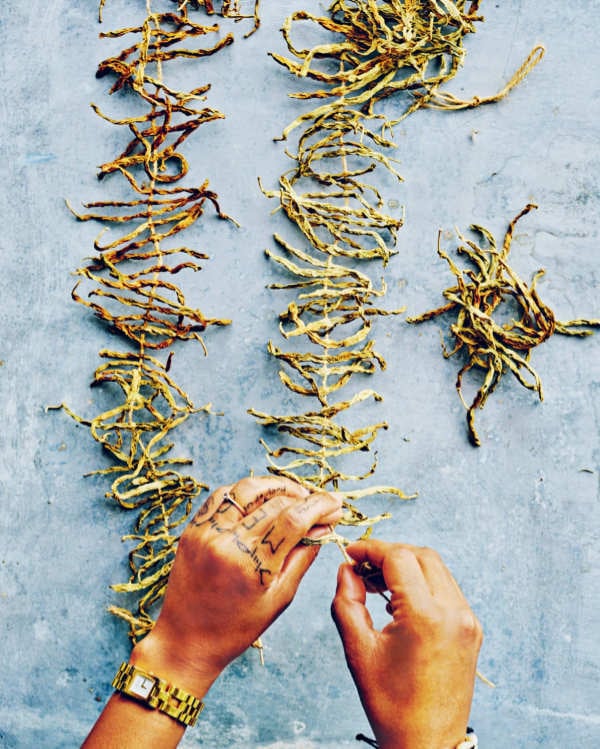
I am always surprised to hear that people don’t know what leather britches are. Stringing britches [green beans] on my aunt’s porch is such an early food memory of mine and something I thought everyone did. It [connects to] these really fancy, high-end kitchens that dry vegetables and then rehydrate them to intensify and concentrate the flavor. It’s a very technique-driven thing that grandmas have been doing for centuries. Whenever I talk to people about britches, they’re pretty fascinated.
|
 |
Leather britches. (Photo credit: Johnny Autry)
|
What are some essential ingredients or techniques you feel home cooks should learn, to get the most out of your recipes in this book?
Well, I would direct them to the “Supreme” [chapter] at the beginning of the book. I feel like being able to make potlikker and even understanding the concept of what potlikker is goes a very long way in cooking. You’ve also got to know how to make a pot of rice—that’s very important. Also, they should understand the versatility of something like cornmeal and be able to do a gluten-free dredge or make a nice cornbread. Readers will find what they need to know instantly in opening this book because I detail all of this in the first chapter.
How would you describe your restaurant Good Hot Fish?
I would describe it as a modern-day fish camp. That was the idea in my creation of it—a fast-casual counter service spot. We play jazz music. There are pictures of old Black Asheville all over the walls, and little trinkets and artwork that my wife, Meaghan, created. We’re all decked out in the restaurant with some really cool stuff. We get fresh seafood daily that’s local, and we source from local farmers. We also pay a livable wage of $23 an hour, which is very hard to do in Asheville.
Multiple times people sitting at the counter have told me that our food at Good Hot Fish reminds them of a meal their grandmother would make. That makes me so happy to hear, especially where we’re nestled, in the South Side (now called South Slope) of Asheville, which was formerly a Black business district. There is not a whisper of that anymore, unfortunately. I mean, there is another Black restaurant and a couple of food trucks, but there are no full-service Black-owned restaurants in Asheville anymore. If you look in the Green Book, you can see that there were plenty. I know some elders in the community who had restaurants in that area, and it was so incredible when we first opened to have them come through our doors—with tears in their eyes.
I saw on your Instagram account that Asheville’s culinary community is involved in ongoing relief efforts. What are you all doing now that Good Hot Fish has reopened after the hurricane—and how’s that going?
One thing that we started doing in the midst of our closing is start what’s called Sweet Relief Kitchen, a free fish-fry popup supported by food donations. We are cooking for free and going to underserved communities, posting up at their local church or park, putting the word out, and feeding as many people as we can. We’ve fed hundreds of people, which feels really good.
|
“Cooking is such a meditative practice for me that all I want to do is cook right now. A big part of why I’m in the service industry is because of the feelings a good meal has the power to evoke in people.” |
How can people best support Asheville’s culinary community?
I’m hoping for an Asheville Renaissance when all this is over. It’s really encouraging to ride down the same street every day and start to see some progress, like trees getting cleared out and mud scraped away. We are doing our best in a city driven by tourism to ensure that tourists can come back and have an amazing time in Asheville. I would encourage people to visit our city and support our small businesses, our restaurants. We’re a city that has so many makers, and we’re working to get everything back to normal as possible in hopes that tourists will support us when this is over.
Since the election, I’ve been thinking about John T. Edge’s book, The Potlikker Papers, about the Black women who fed freedom fighters during the Civil Rights Movement, and the role of food and cooking in our current moment. What does food do for you in times like these?
Cooking is such a meditative practice for me that all I want to do is cook right now. When I’m feeling emotional, the first thing that I want is my mother’s food, something comforting, a bowl of beans or some of her stewed greens. I certainly turn to food when my emotions are heightened, whether that is joy or sadness, and I think a lot of people feel that way. A big part of why I’m in the service industry is because of the feelings a good meal has the power to evoke in people.
This interview has been edited for clarity and length.
|
(return to top)
|
|
|
|
|
|
Delicious Recipes from Notable Cookbooks
|
Recipes are published here with permission of the publishers, and lightly edited for length and format.
|
|
|
|
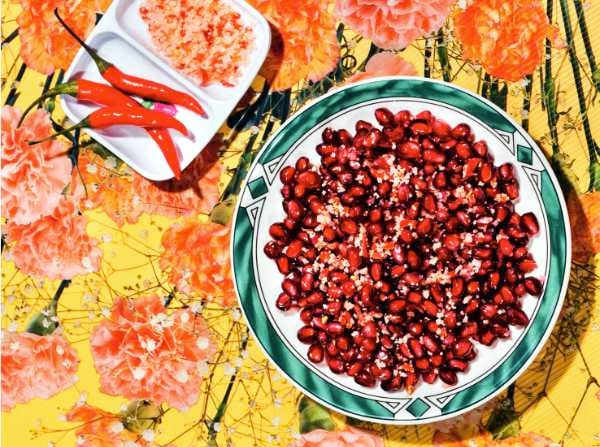 |
Pomegranate Seeds with Chile Salt
(Lu’u Trôn Muối Ớt)
|
From The Memory of Taste: Vietnamese American Recipes from Phú Quoc, Oakland, and the Spaces Between
|
BY TU DAVID PHU and SOLEIL HO
|
(4 Color Books / Penguin Random House)
|
Serves four as a light snack
It’s satisfying enough to just suck all the juice out of pomegranate seeds straight-up, but I’ve learned that a pinch of homemade chile salt upgrades the fruit from great to mind-blowing. Opening up a pomegranate might be confusing for first-timers, but it’s actually pretty easy to break down.
|
Ingredients
|
Use a small paring knife to cut into the calyx (the crownlike top) of the fruit at an angle, almost like you would cut around the stem of a strawberry. Dig out the calyx piece. Next, make four shallow cuts into the skin from top to bottom so that you’re dividing it into approximate quarters. Use your fingers to split the pomegranate into quarters along the lines you cut.
To remove the seeds, fill a medium bowl of water. Hold each pomegranate quarter rind-side up over the water and use a wooden spoon to smack the rind, helping the seeds fall out. Keep hitting it until it’s empty, then repeat with the rest of the fruit. The seeds will sink in the water, while the papery rind bits will float.
Skim the water to remove the rind, then drain the seeds in a colander. You can store the pomegranate seeds in an airtight container in the fridge for up to five days. When ready to serve, toss the seeds with the chile salt and enjoy immediately.
|
Chile Salt (Muối Ớt)
Makes 3 tablespoons
In the night markets of Phú Quốc, you’ll often see vendors selling cups of cut fruit dusted with muối ó’t. Salt and chile open up your tastebuds, enhancing the sourness of fruits like green mango, pineapple, and the local specialty: ca na (a white olive popular in Vietnam). This chile salt can also be used as a spice rub for proteins, such as fried sand dabs. Plus, this recipe makes just enough to marinate a whole chicken.
Ingredients
Add the salt and chile to a wooden mortar, then use the pestle to smash them together. Don’t be gentle—you want to force out all of the spicy chile juice and oils so they can mix in with the salt. Keep pounding the chile until the pieces are nearly disintegrated.
Serve immediately or store in your pantry in an airtight container for up to one month.
|
(Return to top)
|
|
|
|
|
|
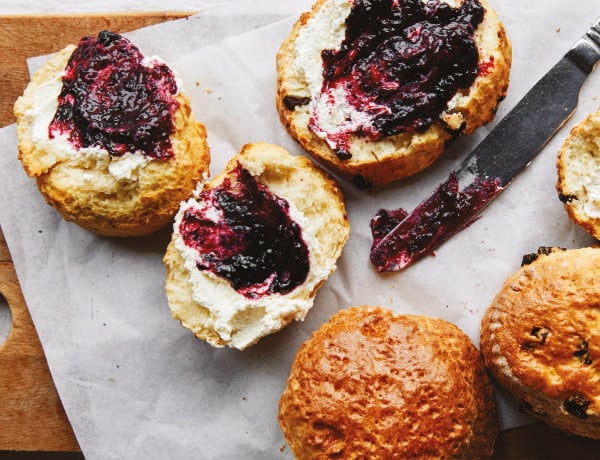 |
Pumpkin Scones
|
From Elysian Kitchens: Recipes Inspired by the Traditions and Tastes of the World's Sacred Spaces
|
BY JODY EDDY
|
(W.W. Norton & Company)
|
These scones have been voted more than once as the best in Ireland, and the bakers at Kylemore Abbey, in Connemara, take great pride in them. A basic scone is always available in the abbey’s bakery, but other flavors reflect the seasons, including this deftly spiced pumpkin scone offered in the cooler autumn months. One universal key to producing a flaky, successfully risen scone is to make sure that the butter is well chilled before adding it to the dough. Cold butter will not completely incorporate into the dough, so the tiny bits of butter produce steam when heated in the oven, expanding the dough and encouraging it to rise.
Makes: about 16 scones
Preparation time: 30 minutes
|
Ingredients
4½ cups all-purpose flour, plus more for dusting
4 teaspoons baking powder
¾ teaspoon kosher salt
½ teaspoon baking soda
⅔ cup packed light brown sugar
2 teaspoons ground cinnamon
1 teaspoon ground ginger
1 teaspoon grated lemon zest
1 cup (2 sticks) unsalted butter, chilled and cut into 1/2-inch cubes
1⅓ cups pumpkin puree
2 large eggs, room temperature
¾ cup whole milk
½ cup hazelnuts, skinned, toasted, and finely chopped
2 tablespoons granulated sugar
Softened butter, for serving
Jam, for serving
|
Preheat the oven to 400° F. Line a rimmed baking sheet with parchment paper.
In a large bowl, sift together the flour, baking powder, salt, and baking soda. Add the brown sugar, 1 teaspoon cinnamon, ginger, and lemon zest and stir with a wooden spoon until incorporated. Add the cold butter and, using your fingers, mix it into the dry ingredients until it resembles large crumbs. Chill in the refrigerator while completing the next step.
In a medium bowl, whisk together the pumpkin, eggs, and 1/2 cup milk. Pour the wet ingredients into the bowl with the dry ingredients, add the hazelnuts, and stir with a wooden spoon until just incorporated. The dough will be slightly lumpy. (At this point the dough can be stored in a covered container in the freezer for up to 1 month.)
Stir together the granulated sugar and remaining 1 teaspoon cinnamon in a small bowl until incorporated. Sprinkle flour on a clean work surface and knead the dough for about one minute. Do not over knead, which can result in a tough texture. Roll the dough about 1 inch thick, then use a 3-inch biscuit cutter (or a wide drinking glass or jar rim) to punch out circles. Transfer the scones to the prepared baking sheet. Gather up the scraps, roll out to 1 inch thick, and punch out additional circles. Brush the surfaces with the remaining 1/4 cup milk and sprinkle with the cinnamon sugar.
Bake until risen and golden brown, 14 to 16 minutes. Transfer to a wire cooling rack to cool a bit, then serve while still warm with softened butter—preferably creamy, rich Irish butter—and your favorite jam, if desired.
Leftover scones don’t freeze well, but they will keep in a covered container at room temperature for up to three days.
|
(Return to top)
|
|
|
|
|
|
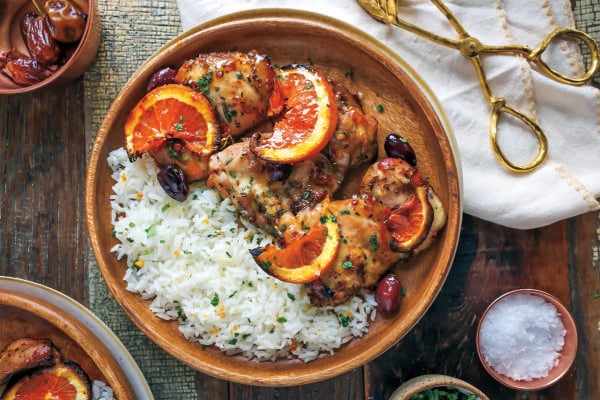 |
Spiced Orange Chicken
(Pollo a la Naranja)
|
From Chile, Clove, and Cardamom
|
BY BETH DOOLEY and GARY PAUL NABHAN
|
(Chelsea Green Publishing)
|
Serves four to six
Seville oranges give this quick sheet-pan dinner a tangy punch. The oranges, also called bitter or sour oranges, originated in Andalusia and reflect the historic trade relationship between Portugal and Spain. If Seville oranges are not available, substitute navel oranges with a mix of orange juice and rice-wine vinegar.
|
Ingredients
⅓ cup Seville orange juice or ¼ cup fresh orange juice mixed with 2 tablespoons rice-wine vinegar
¼ cup extra-virgin olive oil
1 teaspoon each ground cumin and smoked paprika
½ teaspoon each ground coriander and cardamom
Pinch each sea salt and freshly ground black pepper
1 pound boneless, skinless chicken thighs, cut in half
4 to 5 orange slices, cut in half
¼ cup each pitted black olives and pitted dates
Chopped fresh cilantro or parsley for garnish
Cooked white or brown rice for serving
|
In a large bowl, whisk together the juice, oil, cumin, paprika, coriander, cardamom, salt, and pepper. Add the chicken to the bowl and turn to evenly coat. Cover and marinate for about 10 minutes, or cover and refrigerate 8 to 10 hours or overnight.
Preheat the oven to 425° F. Line a rimmed baking sheet with parchment paper. Spread out the chicken on the prepared baking sheet, reserving the marinade, and tuck the orange slices under and around the chicken.
Roast until the chicken is light brown, about 20 minutes, rotating the pan halfway through. Pour the reserved marinade over the chicken and toss in the olives and dates. Continue roasting until the chicken’s juices run clear when pierced with a knife and the meat registers 165° F on an instant-read thermometer, 8 to 10 more minutes.
Remove and allow the chicken to rest a few minutes before serving, drizzled with the pan juices and garnished with the cilantro. Serve with rice.
|
(Return to top)
|
|
|
|
|
|
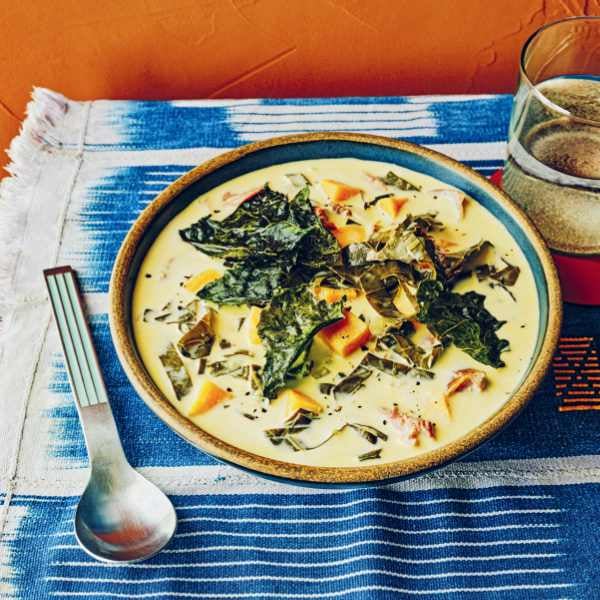 |
Collard and Sweet Potato Chowder
|
From Our South: Black Food Through My Lens
|
BY ASHLEIGH SHANTI
|
(Union Square & Co.)
|
|
Feeds six to eight
I grew up eating “cream of” soups from red-and-white cans on busy weeknights, but also drinking hot, simmered-for-hours potlikker during cold winters. Here I take some collagen-rich potlikker left over from making collards and introduce heavy cream, sherry vinegar, and sweet potatoes. It takes the few things I love about the idea of those store-bought soups—rich creaminess, nostalgia, and simplicity—and what I know about the power of really good potlikker to make a soup that’s worth the hours you’ll spend on it.
|
Ingredients
1 bunch collard greens
1 smoked turkey leg
¼ cup sherry vinegar
1 teaspoon red pepper flakes
2 tablespoons unsalted butter
1 yellow onion, diced
2 celery stalks, diced
3 garlic cloves, minced
4 cups heavy cream
2 large sweet potatoes, peeled and cut into 1/2-inch cubes
2½ teaspoons kosher salt
1 teaspoon freshly ground black pepper
1 teaspoon freshly grated nutmeg
1 tablespoon extra-virgin olive oil
|
To stem the collards, hold the stem of one leaf in one hand and, with your other hand, grab and pull the leaf off the center rib. Reserve 8 nice leaves for garnish and finely chop the remaining leaves.
In a large pot, combine the smoked turkey, chopped collards, vinegar, red pepper flakes, and 6 cups water.
Bring to a boil over high heat, then cover and reduce the heat to low to maintain a simmer. Cook, stirring occasionally and keeping the collards submerged, until the turkey and collards are fork-tender, about 30 minutes. Remove from the heat and let cool. When the turkey is cool enough to handle, use two slotted spoons to transfer it to a baking sheet or large plate. Using your hands, pull the meat from the bones and return it to the pot; discard the bones.
In a Dutch oven or other heavy-bottomed pot, melt the butter over medium-low heat. Add the onion and celery and cook, stirring, until soft and translucent, 5 to 6 minutes.
Add the garlic and cook until fragrant and beginning to brown, 2 minutes more. Add the cream. Stir in the boiled collards with their potlikker, then add the sweet potatoes.
Reduce the heat to low and stir in 2 teaspoons of the salt, the pepper, and the nutmeg. Cover and simmer until the sweet potatoes are tender, about 1 hour.
Meanwhile, preheat the oven to 325° F.
Stem the remaining whole collards and tear the leaves into 2-to 3-inch pieces. In a small bowl, toss with the olive oil and remaining 1/2 teaspoon salt. Spread the collards evenly over a baking sheet and bake until crispy but not browned, about 15 minutes.
To serve, ladle the hot soup into bowls and top generously with the crispy collards.
|
(Return to top)
|
|
|
|
|
|
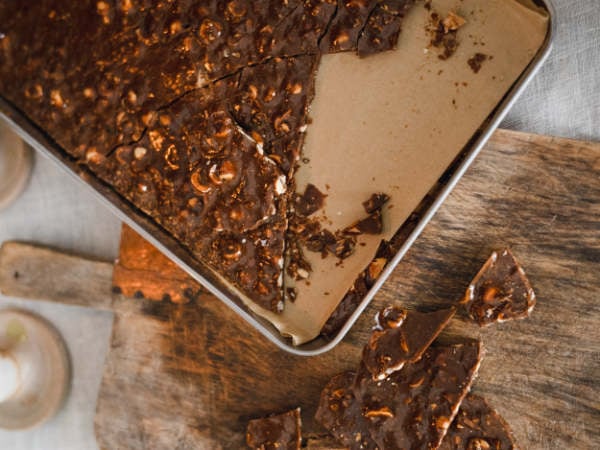 |
Furikake Hazelnut Brittle
|
From My Regenerative Kitchen: Plant-Based Recipes and Sustainable Practices to Nourish Ourselves and the Planet
|
BY CAMILLA MARCUS
|
(Chelsea Green Publishing)
|
Makes 3 cups
Hazelnuts sing in any dessert, in my humble opinion, and are a more sustainable option than many other nuts. They are a low-maintenance perennial crop that stores more carbon, uses less water, and reduces soil erosion, plus the trees can grow on sloped land, making them quite resilient and a positive contributor to soil health. Here, the combination of the sweet, woodsy hazelnuts and the umami-crunchy furikake [a Japanese seasoning mix that often includes seaweed and sesame seeds] brings out the rich sweetness of the brittle.
|
1½ cups light coconut sugar
⅓ cup (80 ml) honey
Kosher salt
3½ tablespoons water
¼ teaspoon baking soda
3½ tablespoons unsalted butter, at room temperature
¾ cup hazelnuts, toasted and finely chopped
7 tablespoons furikake
1 teaspoon Maldon salt
|
Line a rimmed baking sheet with parchment paper. Combine the coconut sugar, honey, and a pinch of kosher salt in a medium saucepan.
Add the water and mix until creamy. Bring up to a simmer over medium heat, stirring frequently with a heatproof spatula, until the sugar caramelizes to an amber brown and the temperature on a candy thermometer reads 300° F, 15 to 20 minutes. The caramel must reach 300° F or the brittle will not be hard enough.
Working quickly, remove from the heat and sprinkle in the baking soda (the caramel will foam up slightly). Add the butter, continuing to stir. Once the caramel settles, stir in the hazelnuts and furikake. Pour the brittle into the prepared pan. Using a silicone spatula, spread the caramel as thinly (less than ⅛ inch thick) and as evenly as possible. Sprinkle with the Maldon salt.
Let cool for 15 minutes at room temperature. Transfer to the freezer for 1 hour, then break into small pieces using a mallet or heavy spoon. Store in an airtight container in the refrigerator for up to 2 weeks, or in the freezer for up to 1 month.
|
(Return to top)
|
|
|
|
|
|
In Case You Missed It |
Some of our recent book-related reporting
|
Fighting the Corporate CAFO ‘Takeover’ of Rural America
BY TILDE HERRERA
Sonja Trom Eayrs chronicles her family’s battle against factory hog farms in Minnesota.
BY LISA HELD
Rob Jackson tells stories of measuring both the staggering greenhouse gas emissions gas stoves produce and the dangerous levels of air pollutants home cooks breathe in as they sauté and roast (even long
after the burners are off).
BY BRIAN CALVERT
Author and water expert Peter Gleick discusses agriculture in the driest part of the country and how to move toward a sustainable future.
|
(Return to top)
|
|
|
|
|
|
|
That's all for this issue of The Deep Dish. Thank you for reading, and thank you for being a member of the Civil Eats community. If this is your first time reading The Deep Dish (welcome!), be sure to check out our previous issues:
If someone forwarded this email to you, please support our work and become a member today. Questions? Compliments? Suggestions? We love to hear from our members: Please send us a note at members@civileats.com.
|
(return to top)
|
|
|
|
|
|
|
|
|